


The Golden Age of Hollywood was a period in the history of American cinema that began in the 1920s and lasted until the early 1950s. It was a time when the film industry reached its peak and American movies became the most popular in the world. During this time, many famous directors worked in Hollywood, such as Orson Welles, David Selznick, John Ford, Howard Hawks and others. They created many iconic movies that have become classics of cinema. Learn more at los-angeles-trend.
WHAT CAUSED THE GROWING ATTENTION TO CINEMA?
The crash of the stock market in 1929 in the United States led to a global economic crisis. Along with the stock market, Americans lost their faith in an unshakeable and always successful country. The early years of the crisis in America were called the Great Depression. This is exactly how ordinary US citizens felt, with no hope for the future and no understanding of what was happening.
In the 1930s, representatives of the arts and politicians realized that art must be socially responsible. In days when former white-collar workers were happy to get a job as street vendors and workers went on strike, the only place where work was in full swing was Hollywood. There was no time for worries at the “dream factory,” as the release of the first film in 1927 marked a new era of sound cinema. Despite the crisis, it was this new innovation that left many actors who lacked a pleasant voice or a proper English language without work. Sound cinema helped Hollywood not only to survive but also to become a center of moral support for millions of Americans who sought to hide from their problems in dark movie theaters.
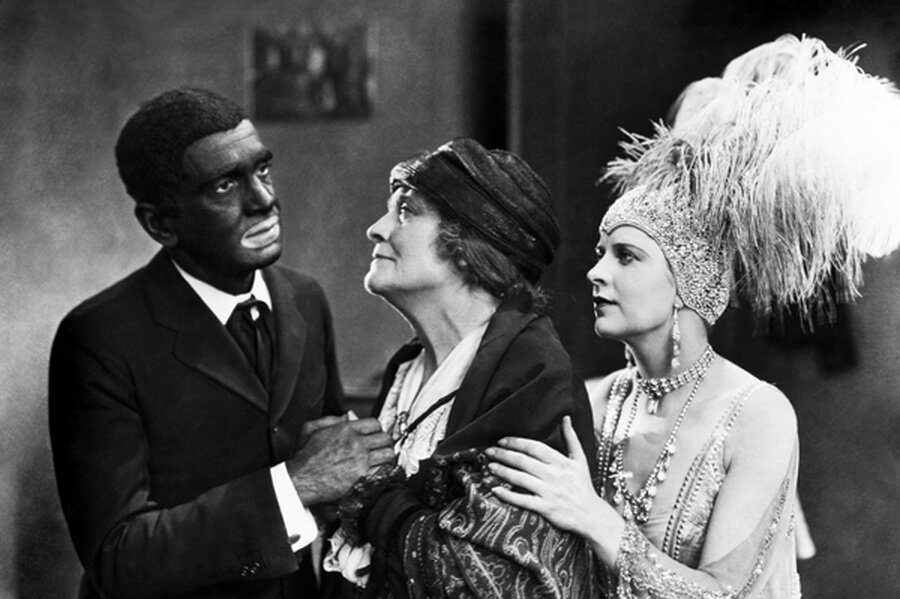
Despite all the world upheavels, a film production system was established at the “dream factory” during this period, which continues to this day. This time is called the Golden Age of Hollywood and the movies shot then became world classics.
THE EMERGENCE OF SOUND BECAME A SIGNIFICANT BREAKTHROUGH IN THE FILM INDUSTRY
With the emergence of sound, cinema was no longer perceived as an illusion. The sound of footsteps, laughter and crying, which the viewer could now hear, made them believe that the screen character was a real person, just like themselves. From innocent entertainment, cinema became a powerful tool that affects people’s worldviews.
The shift to sound films required large investments from film studios. Bankers who could help with financing adhered to traditional principles and were part of religious organizations. In exchange for their support, so crucial during the years of the Depression, creators were forced to accept the Code of Ethics in 1930, better known as the Hays Code.
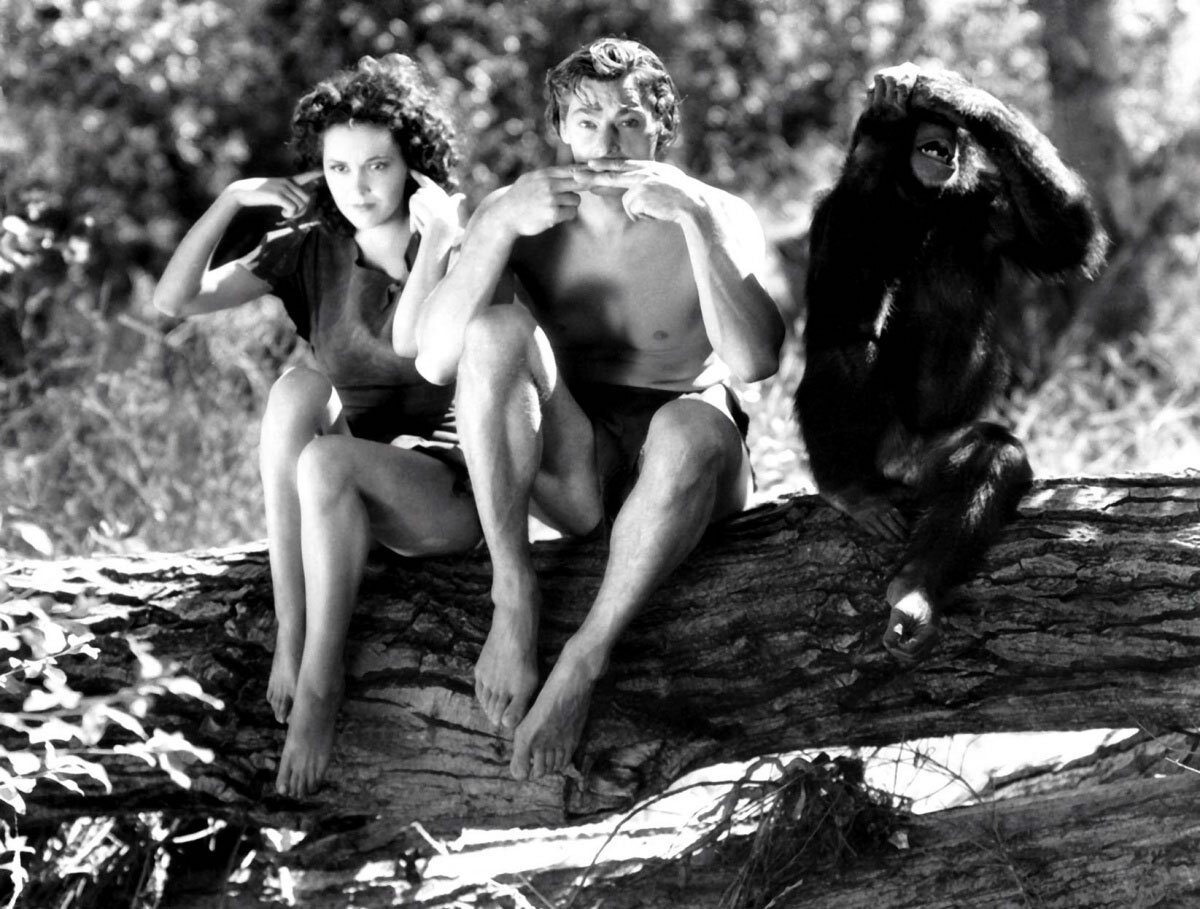
TO MAINTAIN POPULARITY, DIRECTORS WERE WILLING TO CENSOR FILMS
According to the Code, films that undermined the “moral principles of the audience” were not allowed in theaters. The main characters had to have high moral qualities. Sinners and people indulging in vices could not evoke sympathy from viewers. The new censorship rules prohibited depicting adultery, surgical operations, childbirth as well as the use of alcohol or drugs and certain swear words that are not justified by the plot. Movies that violated these rules had no chance of being shown in cinemas.
However, film producers quickly found a loophole. It should be noted that the immoral behavior was depicted for the purpose of condemnation and such films were classified as “educational”. Thus, heroines could cheat on their husbands, as long as they suffered retribution in the plot.
HOLLYWOOD ACTRESSES HAVE BECOME FASHION ICONS
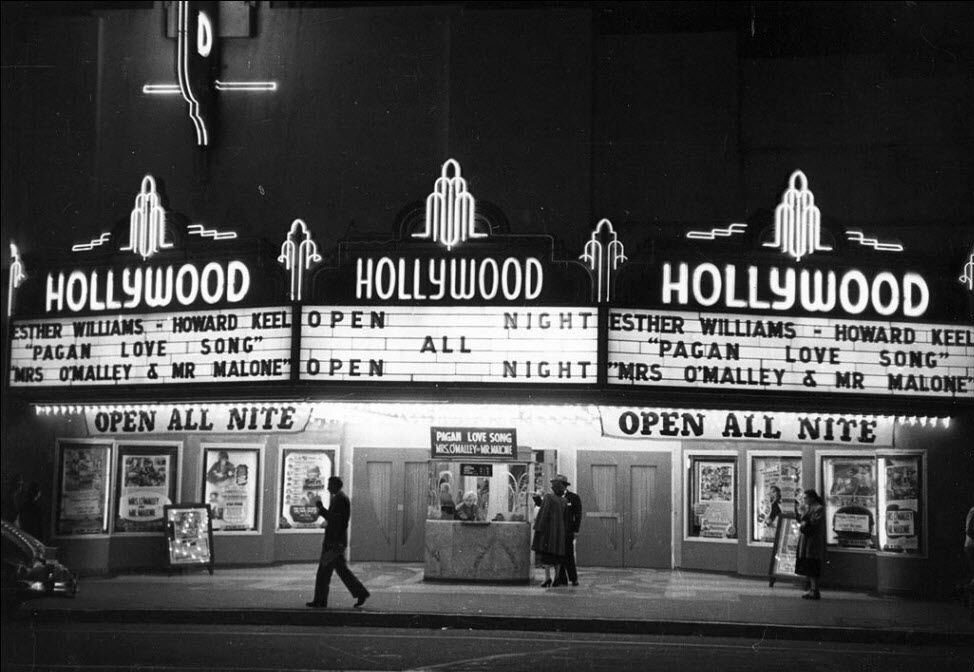
When Prohibition was abolished, the country wanted to have fun and forget about problems. Movies are getting extremely popular. Hollywood glamour becomes a source of envy and a model to follow for movie fans. Hollywood actresses became fashion icons. They shape a conception of the female ideal of the era. During the wartime and post-war periods, movie stars, as before, remain the standards of style, fashion and behavior.
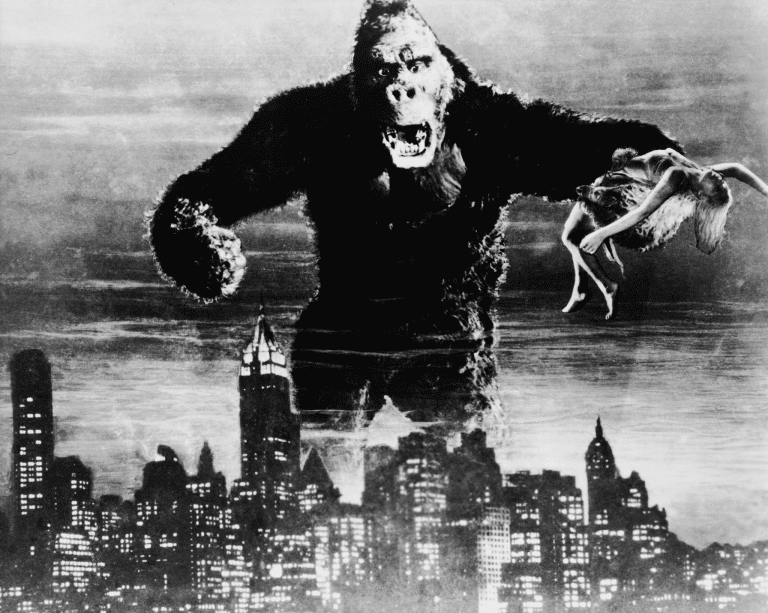
Movie theaters were frequently visited by audiences. This trend continued for the next few years. So, major film studios could adjust their genre policies to suit audience preferences. Musicals Whoopee! (1930), 42nd Street, Gold Diggers of 1933, Footlight Parade, Flying Down to Rio (1933) and The Merry Widow (1934) were in high demand during those years. Frankenstein (1930), Dr. Jekyll and Mr. Hyde (1931), Murders in the Rue Morgue (1932), The Invisible Man and King Kong (1933) were some of the horror films that caused great excitement. Of all these movies, King Kong can rightfully be called the record holder, as it grossed $90,000 in four days.
The movie The Blue Angel became very popular then. The great Marlene Dietrich was in the lead role. After the premiere of The Blue Angel in 1930, she woke up famous. From that moment on, for almost three decades, Marlene Dietrich remained an idol not only in America but also in other countries around the world. In 1943, at the peak of her fame, she took a break from her acting career to give concerts to the anti-Hitler coalition forces in Italy, France and North Africa. For this, the actress received the highest American military award for civilians, the Medal of Freedom in 1946, and, in 1950, the Legion of Honor.
Greta Garbo was another idol of the era who represented the female ideal. A girl from a poor Swedish family not only conquered Hollywood but also won its highest award, the Oscar.
THE GOLDEN AGE OF HOLLYWOOD MARKED THE EMERGENCE OF COLOR CINEMA
Hollywood experienced a “golden time” between 1930 and 1946. During this time, film studios created 7,500 feature films. The majority of them were black and white, but from 1935, more and more color films were being released. Among them, movies featuring very young stars like Shirley Temple, Freddie Bartholomew, Mickey Rooney, Judy Garland and Deanna Durbin gained immense popularity.
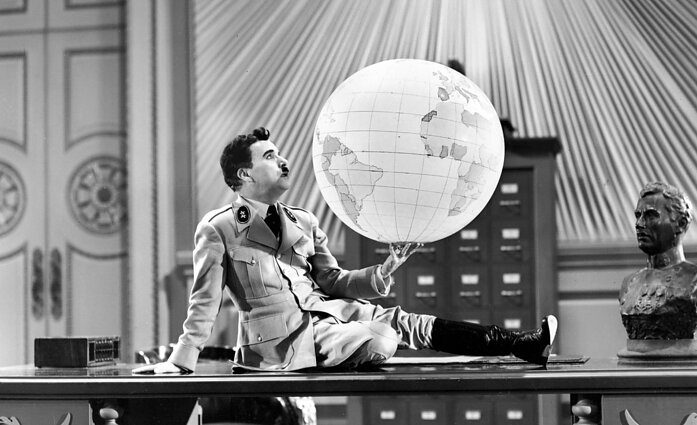
Witnessing the tumultuous events in Europe at the end of the 1930s, Americans did not want to believe that war could impact their lives. Members of the Hollywood Anti-Nazi League, who at that time were accused by politicians of trying to spread panic, told citizens about the Nazi threat in their films. For example, the film The Great Dictator, directed by Charlie Chaplin in 1940, was very successful but also caused a lot of controversy. At that time, the USA maintained neutrality with Germany, making the release of a film that mocked Hitler questionable. But in 1941, America entered the war, and when the Oscar was awarded for the film about Hitler, the audience gave Charlie Chaplin a standing ovation.
With the cancellation of the Hays Code in 1967, which controlled the moral content in films, a new era began in the history of the US film industry, the era of New Hollywood. But already in the 1970s, directors and screenwriters began to miss the classics of the “golden age” cinema. Movies about gangsters became a separate genre and achieved particular popularity during the Great Depression. Today, when shooting movies about this theme, directors often set the action in the 1930s.
THERE WAS A LOT OF IMMORALITY ON THE OTHER SIDE OF THE SCREEN
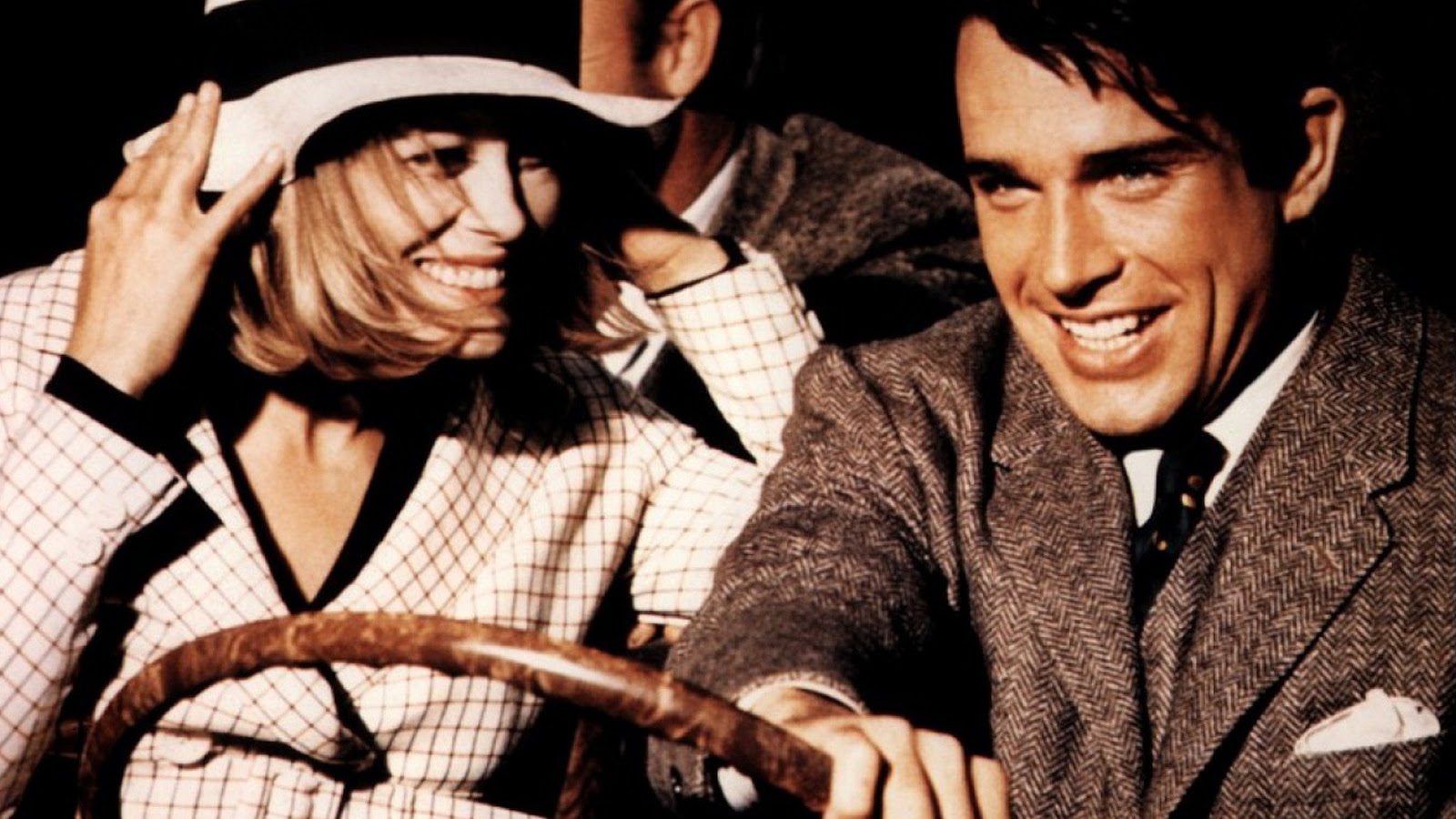
It is believed that the modern stage of Hollywood began with the creation of the Oscar-winning film Bonnie and Clyde in 1967. Director Arthur Penn told the story of the famous criminals of the Great Depression, and the audience saw many parallels with reality. The generation of the sixties, protesting against the Vietnam War, viewed the two criminals as symbols of defiance who fearlessly challenged authority. Critics called the picture a “Hollywood renaissance,” a film that shocks with its freedom.
Hollywood has always been distinguished by its harsh nature, as it is primarily a business that is subject to many regulations. The cinema has repeatedly addressed the issue of Hollywood’s rules, as fame often comes at a price of broken destiny. Hollywood experienced times when directors, actors and screenwriters paid for their political beliefs. Like in the witch hunt period, there were blacklists in Hollywood. One of the lists included the famous “Hollywood Ten,” consisting of ten cinematographers. They refused to testify before the US Congress committee, which was investigating anti-American activities.