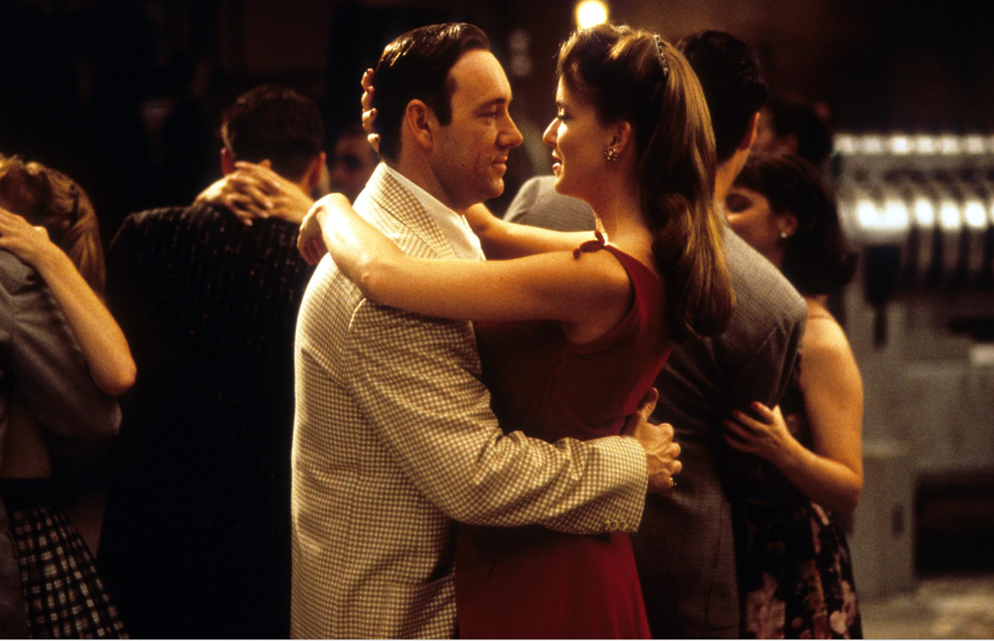
What was the “dark side” of Los Angeles” truly like in the 1950s? Curtis Hanson’s neo-noir masterpiece, “L.A. Confidential,” dives deep into that very question. The film didn’t just earn critical acclaim; it snagged nine Academy Award nominations. Learn more about the movie, based on James Ellroy’s best-selling novel of the same name, right here on los-angeles-trend.
The Film’s Premiere
“L.A. Confidential” hit theaters on September 19, 1997. Co-written and directed by Curtis Hanson, the film is an absolute must-watch that warrants repeat viewings. It’s a true neo-noir—a style deeply rooted in the classic “black film” genre of the 1940s and early 1950s. Noir films capture an atmosphere of pessimism, distrust, cynicism, and disillusionment—hallmarks of a society grappling with the aftermath of World War II and the looming shadow of the Cold War.
Though it was overshadowed by “Titanic” at the Oscars, the film’s reputation as a modern classic has only grown.
The story plunges viewers into Los Angeles in 1953, following three detectives who are investigating a gruesome mass murder at a coffee shop called the “Nite Owl.” The movie unflinchingly portrays the city’s underbelly: a cesspool of organized crime, deep-seated corruption, pervasive drugs, prostitution, pornography, and rampant racism.
The Cast
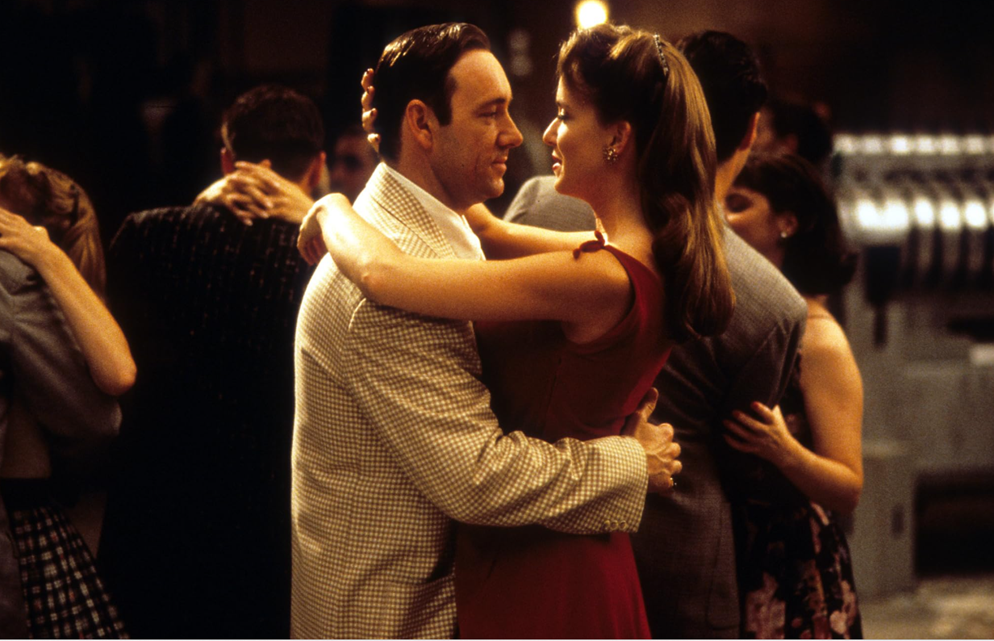
Director Curtis Hanson wanted the lead roles played by lesser-known actors, reasoning that the audience shouldn’t immediately like the characters. To achieve this, he cast Australian actors Guy Pearce and Russell Crowe. To win over the producers, he surrounded them with established stars like Kevin Spacey, Danny DeVito, and Kim Basinger. The entire ensemble delivered brilliant performances, with Kim Basinger ultimately winning the Academy Award for Best Supporting Actress.
The film paints a vivid picture of a crime-ridden Los Angeles, underscored by a phenomenal soundtrack featuring timeless tunes from artists like Dean Martin and Johnny Mercer.
The Plot
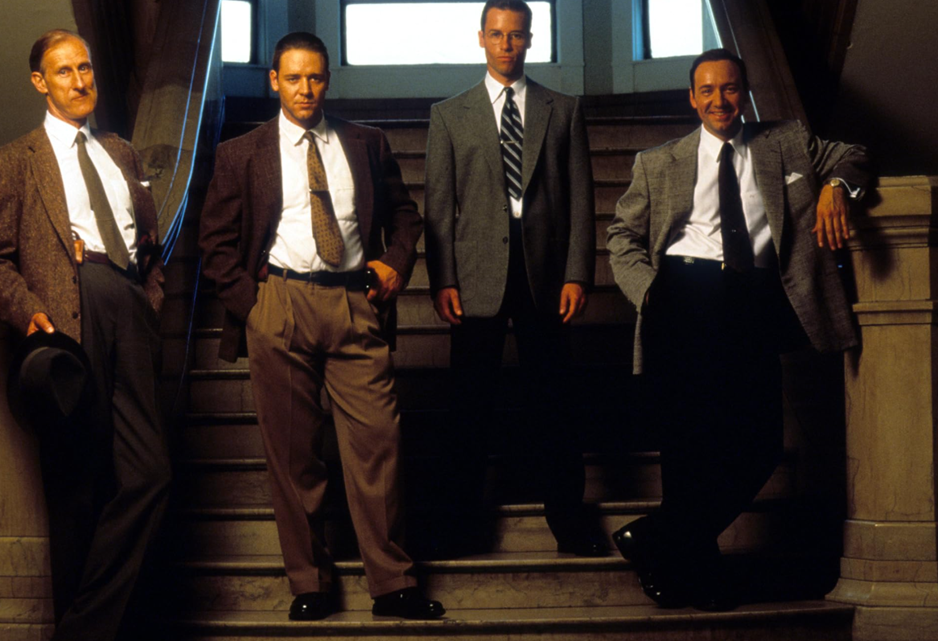
The story centers on three detectives whose lives become fatefully intertwined by the events at the “Nite Owl” coffee shop.
Sergeant Edmund Exley (Pearce) is a man driven by a quest for absolute justice. Ambitious and rigid, he operates by the strict principles he inherited from his legendary police officer father, whose murder he is desperate to solve. He voluntarily testifies against his own colleagues, demonstrating his unwavering belief in “law and order,” which earns him a promotion but also a host of powerful enemies.
Officer Wendell “Bud” White (Crowe) is a brutal, emotional officer with his own fierce moral code. His “hair-trigger temper” is especially directed at men who abuse women. White harbors an intense dislike for Exley after Exley testifies against his partner, Dick Stensland. Ironically, Stensland is one of the victims at the “Nite Owl.”
Detective Sergeant Jack Vincennes (Spacey) is outwardly respectable but deeply cynical, using his position for personal gain. Vincennes works as a technical consultant for a popular police show and has close ties to Sid Hudgens (DeVito), the sleazy publisher of the tabloid magazine, Hush-Hush. Vincennes regularly takes kickbacks from Hudgens for tipping him off to Hollywood celebrities, setting them up for easy arrests. Eventually, he resolves to move away from this corrupt scheme to personally investigate the murder of a young actor.
The Intersecting Threads
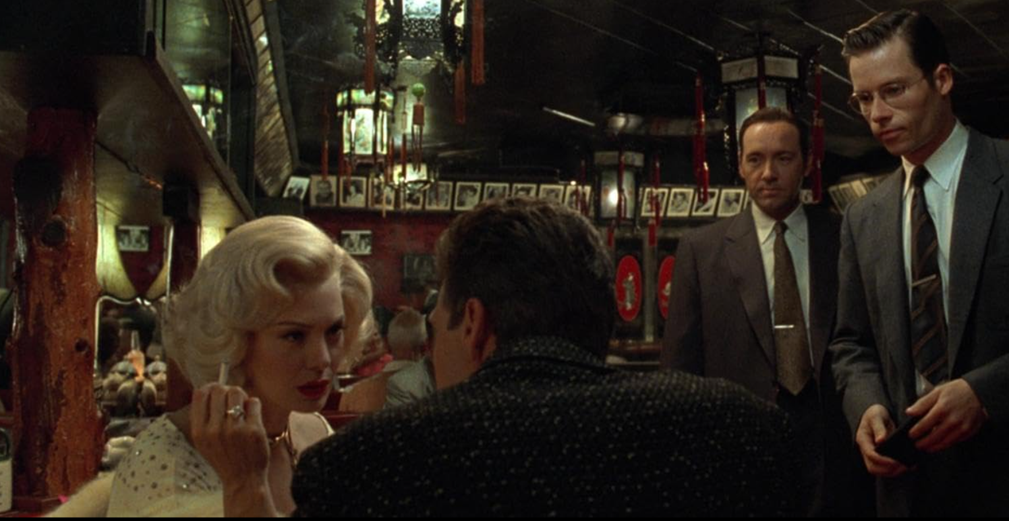
Detectives meet up at the “Nite Owl” coffee shop. Bud White meets the alluring Lynn Bracken, a high-class escort. Ed Exley also crosses paths with Lynn. Both detectives fall for her, complicating their professional lives.
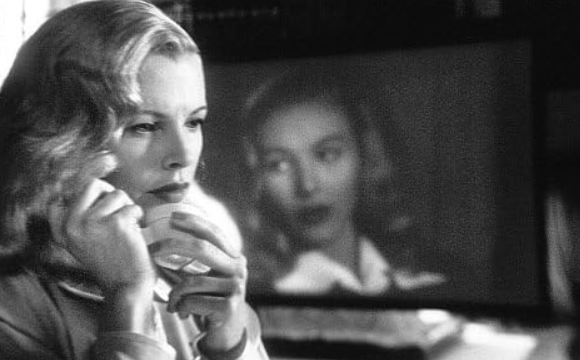
During his separate investigation, Jack Vincennes tracks down Pierce Patchett, the owner of the elite call-girl service. Patchett’s service is notorious for using women who have undergone plastic surgery to look exactly like popular movie stars—Lynn Bracken, for instance, is a dead ringer for Veronica Lake.
Three men with vastly different histories—who start out as rivals or even enemies—are ultimately forced to join forces. Their shared goal: to expose a massive web of corruption that stretches from the glitz of Hollywood all the way to the highest echelons of the Los Angeles Police Department.
As they dig into the Nite Owl case, they realize it’s just one piece of a much larger, deadlier mystery, one that is shockingly connected to the unsolved murder of Exley’s father.
Based on James Ellroy’s Bestseller
“L.A. Confidential” is based on the eponymous best-selling novel by James Ellroy. Director Curtis Hanson was a long-time admirer of Ellroy’s work. After reading the book, he began developing the screenplay. Simultaneously, another Ellroy fan, Brian Helgeland, also wanted to write the script. Once they discovered each other’s passion for the project, they met and quickly bonded. It took the two men two full years to complete the screenplay.
To successfully adapt the book for the screen, Hanson and Helgeland streamlined the original novel. They condensed the sprawling narrative into a compelling three-person story, discarding many of the secondary storylines. The film effectively draws three LAPD officers into a volatile mix of murder, prostitution, and corruption. The movie is renowned for its rare and deep psychological character study within a genre typically focused on action. James Ellroy himself was reportedly pleased with the final result.
The novel’s author noted that Curtis and Brian preserved the core integrity and main themes of the book. The script focuses on the evolution of the characters and their lives under pressure. The original Ellroy novel featured eight major storylines; Curtis and Brian wisely chose to focus on only three, which helped maintain the dramatic power of the three men confronting their destinies.
U.S. National Film Registry
In 2015, “L.A. Confidential” was selected for preservation in the U.S. National Film Registry. This major event in cinematic history underscores the film’s status as a culturally, historically, and aesthetically significant work. It ensures that pristine copies of the movie will be maintained for future generations in the vaults of the Library of Congress. For more on the art of filmmaking, you can explore the master of documentary filmmaking in Los Angeles.
Filming Locations
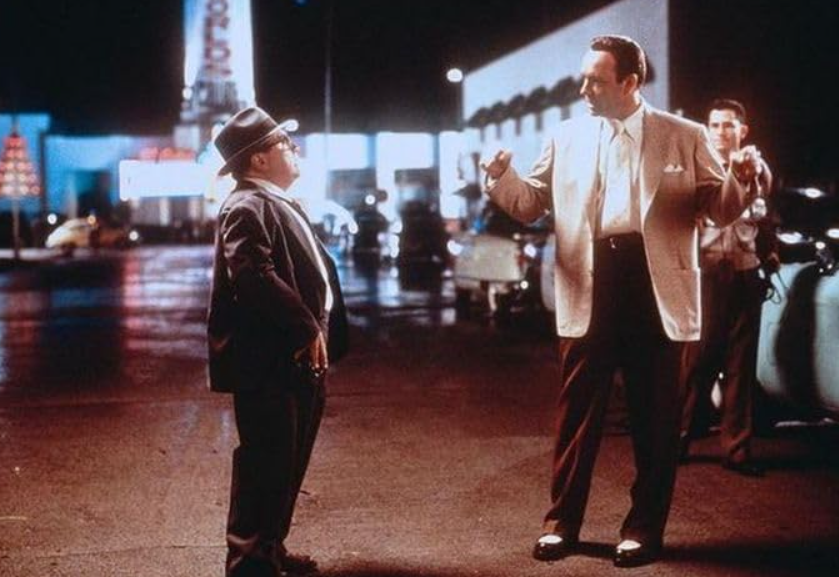
The production of “L.A. Confidential” utilized authentic 1950s historical locations across the city, lending the film an undeniable sense of authenticity and helping to keep the budget at a tight $35 million. These popular film locations in Los Angeles are part of the city’s unique charm.
- The police headquarters in the film is actually Los Angeles City Hall. This location was famously used as the police headquarters in the TV series Dragnet.
- Sid Hudgens’ office, the iconic building with the globe, is the Crossroads of the World.
- One of the film’s favorite haunts is Boardner’s on North Cherokee Avenue, where Bud White first meets Pierce Patchett (the owner of the escort service).
- Bob’s Frolic Room on Hollywood Boulevard is seen in the scene where Jack Vincennes is grappling with his conscience.
- The “Nite Owl” coffee shop, where the central crime takes place, was filmed at the J&J Sandwich Shop on East 6th Street.
- White first encounters Lynn Bracken at a cane/walking stick shop. This was filmed at Ramon’s Cane Shop on South Cochran Avenue.
- Mrs. Lefferts’ house is located in the Elysian Park neighborhood, while Lynn Bracken’s residence is on Wilcox Avenue.
- The “Victory Motel” seen in the film was not an existing motel; the scene was shot on a set built in the Baldwin Hills oil fields (Culver City).
These are just a few examples of the locations familiar to Los Angeles locals. Thanks to such detail, “L.A. Confidential” successfully immerses viewers in the genuine atmosphere of the 1950s.
“L.A. Confidential” is highly praised for its rich visuals, captivating performances, and thrilling plot. This work remains a cinematic masterclass and is considered one of the most significant films of the 90s, leaving a truly unforgettable impression.