


The powerful migration processes and the need for new content gave rise to the opening of a German movie theater in LA. In the mid-20th century, it was at its peak of popularity because of people’s attention to the fictionalized history of Germany, which was so much in demand in the films of the time. However, only a few decades passed between its success story and its decline. Learn the story of the Odyssey Theatre Ensemble in LA. Read more on los-angeles-trend.
La Tosca starts its operations
It first opened as a MacIntyre & Pollard PhotoPlay Theatre in 1912, showing silent films with live accompaniment. In the following decades, the theater changed hands several times. One of the first changes in ownership occurred when the owner and operators of the Angeleno movie theatre merged their businesses in the early 1920s to form the Lustig & Gore partnership, which included the management of La Tosca.
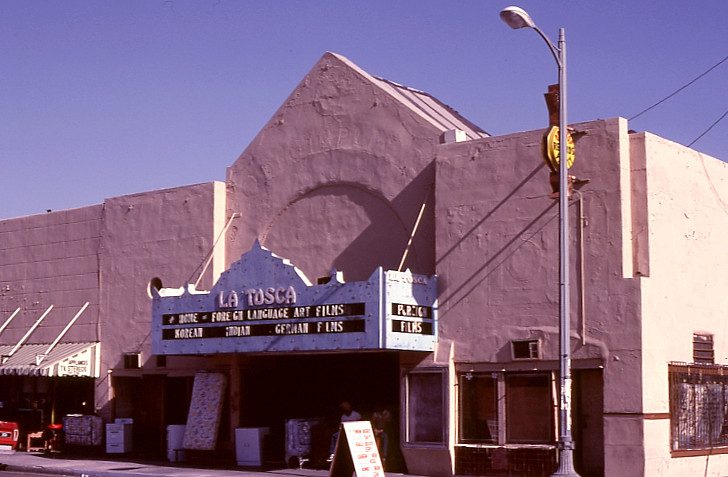
Little is known about the cinema’s activities between this period and 1950, when the couple Hermann and Meta Kleinhenz reopened the cinema as La Tosca Filmbühne. It screened popular German films (in German, without subtitles) until it closed its doors as a cinema in the early 1980s.
When the Kleinhenz took over the La Tosca operations, they immediately moved away from the theater’s practice of showing primarily popular American films to focus on promoting popular German-language films. Given the couple’s national background, this choice was hardly a surprise. Hermann was born in 1915 and immigrated with his parents in 1924 to the US from Germany. The family spoke German at home. Meta was also born abroad (probably in a German-speaking country) in 1902.
The need for German content
Between 1950 and 1960, more than half a million Germans immigrated to the US. By 1960, nearly one million people of German descent lived in the US. In the city of LA, 17,302 people reported being born in Germany in the 1950 census. American soldiers stationed abroad returned with German brides, and German-born children settled in California.
Over the years, several generations of native German speakers emerged. Other native speakers of German came from local universities (including the University of Southern California), which offered classes in German language and culture and filled faculties, especially German departments, with immigrant scholars. There was also a large community of Jewish and political refugees in exile among the German-speaking population. From 1945 to 1950, the Jewish population in LA grew from 150,000 to 250,000.
When the family opened La Tosca, they focused on attracting German audiences through advertising, film programs and, of course, movies. They also cultivated a loyal following by partnering with businesses with a German bent, such as Przybilla Wurst-Fabrik (Sausage Factory) or Peter Teichmann’s Deutsch-Amerikanischer Rundfunk (German-American radio) to advertise on their film program.
For a while, they even hosted an import business to give people access to German goods. Hermann was in charge of the movie theater and Meta ran the store. Setting up a store was a tactic used by similar ethnic movie theaters on the East Coast. They too were part of the same German-language film distribution network. The Casino Theatre in NYC was the main importer of German-language films to twelve German-language theaters in the US.
The genre of German cinema
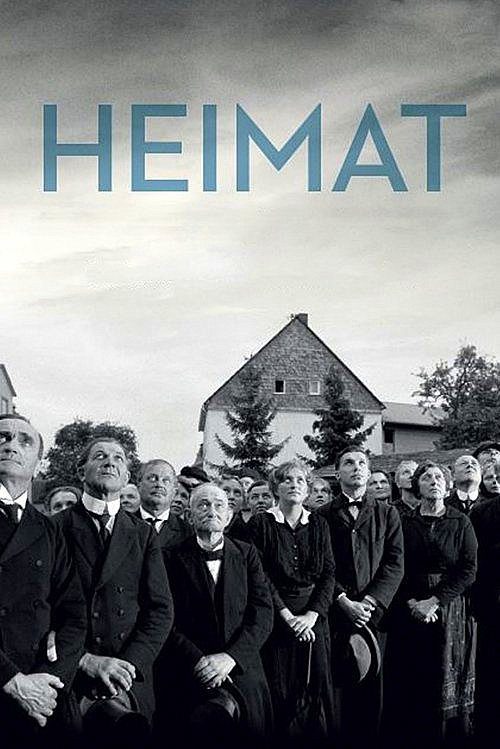
Although German films could be seen in various movie theaters, the central meeting place for the German community was La Tosca. The popular postwar West German genre of Heimat dominated imports from the West German film industry.
As a film genre, Heimatfilme (Heimat films) referred to West German film productions, mostly from the 1950s to the early 1960s, that told love stories. These films featured traditional costumes and music and moved away from any reference to Germany’s recent past and the atrocities committed during the Third Reich.
La Tosca presented films of this genre, both new and old. At first, they showed one of the first newsreels, Blick in die Welt. In one of the editorials when the cinema first started publishing its program every six months, the Kleinhenz demonstrated recognition of the critical reputation of postwar films by stating: “Recently, one hears a lot about the stagnation in German film production, however, that has no influence on our coming season, as we have the best on offer for the coming year.”
The statement is both a justification and a defense of the theatrical program, which would remain remarkably consistent throughout La Tosca’s existence. Even when more critically acclaimed films by New German Cinema filmmakers such as Rainer Werner Fassbinder, Werner Herzog and Alexander Kluge were released in the 1960s and 1970s, La Tosca stuck firmly to the template films of the previous decade.
Cinema audience
La Tosca patron Jon Lellenberg recalls how in the late 1960s, the theater’s audience usually occupied only a small percentage of the seats. Most of the audience at the time were middle-aged Germans, and the movies were mostly subtitled. This was an ideal setting for a USC German student, but not for attracting a broader audience.
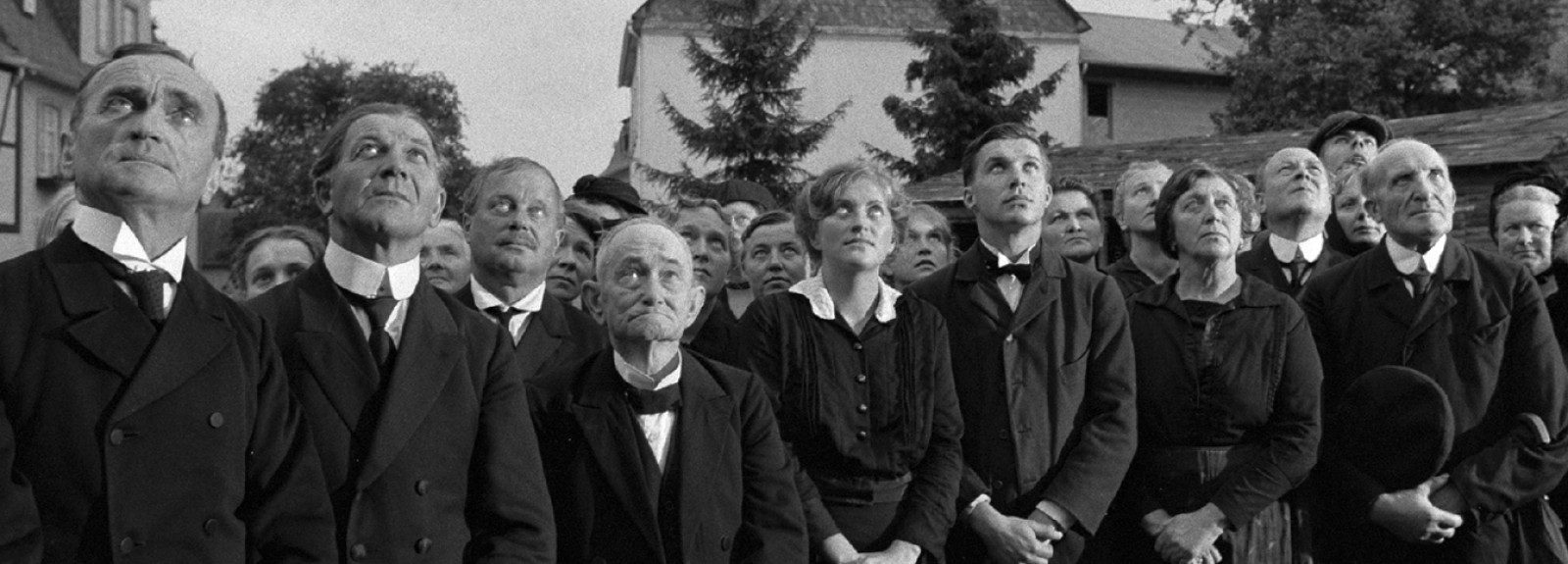
The content of the films could only play into the construction of German identity. The genre largely showed an imaginary Germany that evoked nostalgia for a fictional prewar idyll. Thus, these films would not have been able to unite observers, either through screenings at La Tosca or through other content.
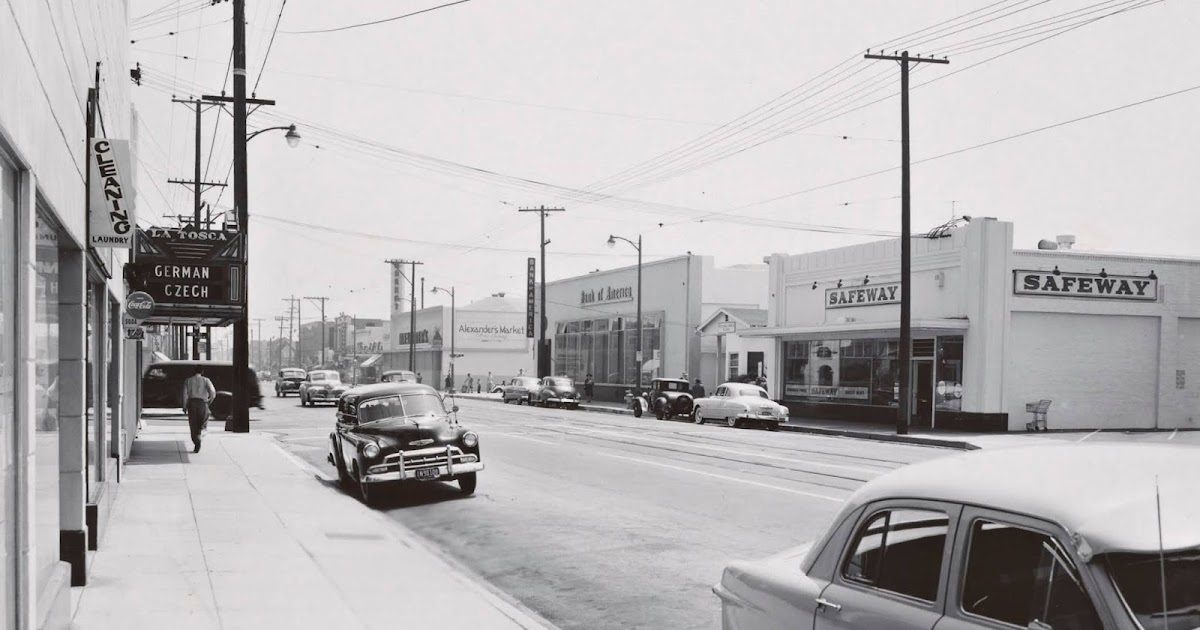
Regardless of how strongly the cinema owners proclaimed their connection to the German community, strictly German content was not enough to sustain the establishment. The rapid decline in German immigration was reflected in the increase in film exposure. La Tosca began showing Czech films as early as 1953, shortly after its opening. However, regardless of the presentation of films from other national cinemas, the owners still viewed La Tosca as a German cinema.
They clearly positioned cinema as part of their service to the German community in LA. They portrayed themselves as pioneers in the presentation of German culture and as one of the few places where one could be entertained in German and promote and adhere to German values.
Over the years, English also began to make its way into La Tosca’s schedule and sometimes onto its screen. Gilbert von Studnitz, who watched movies here in the 1950s, noticed that more and more English was being spoken as younger Germans (children of immigrants) learned English.
Over time, English became the primary language in German circles, especially as older members of the first-generation community passed away. This had a noticeable impact on the vitality of La Tosca. The program’s calendar began to reflect this change. Interest in German films waned as generations moved further and further away from German-speaking Europe.
So La Tosca had to adjust its own image of the German language to adapt to those still interested in old cinema. The combination of language and German identity in the creative space was becoming less and less successful, both in theory and in practice. Although ethnic movie theaters in LA enjoyed strong support during the first two-thirds of the 20th century, they also felt the impact of changing technologies and interests. While German immigrants traveled to the US in the 1950s and 1960s (approx. 790,000 people), in the 1970s this number plummeted to only 65,000.
Both migration and technological trends greatly contributed to the declining success of the cinema, which eventually closed its doors. After that, Hermann filled the cinema with tapes of the films he had shown at La Tosca and ran a distribution service. In 2001, nothing remained of the cinema building. It was demolished and replaced by an apartment building.