


Shavkat Mirziyoyev has been the President of Uzbekistan since 2016, and over the years, he has gained a reputation as the country’s most significant reformer. Mirziyoyev has succeeded in improving the country’s economy, opening Uzbekistan to the world, and ending press restrictions. These changes have transformed Uzbekistan into a modern nation that attracts investments from China, the United States, and other countries. In this article, we will delve into how Uzbekistan has changed under Shavkat Mirziyoyev’s leadership.
Radical transformations in the country: Shavkat Mirziyoyev’s reforms in Uzbekistan
Upon assuming office in 2016, Shavkat Mirziyoyev immediately embarked on a path of reform in Uzbekistan. The list of reforms initiated during his tenure is extensive, with the most crucial ones focusing on the economy, law enforcement, corruption, and human rights.
- Economic reforms: Shavkat Mirziyoyev’s liberalization of Uzbekistan’s economy was swift and substantial. He rectified the failed policies of his predecessor and introduced reforms across all state-owned enterprises, significantly improving their efficiency and increasing revenue. Furthermore, the country simplified conditions for business promotion and enhanced the legislative framework.
- Ending state monopoly: one of the notable changes was the abolition of the state monopoly on the export of vegetables and fruits. This decision opened up numerous opportunities for private enterprises in Uzbekistan.
- Reduced Tariffs: economic reforms also led to a reduction in import tariffs on foreign goods. As a result, Uzbekistan became more open to foreign businesses.
- Currency reform: Shavkat Mirziyoyev introduced reforms related to the national currency, which significantly reduced illegal currency trading in the country.
Reforms in human rights
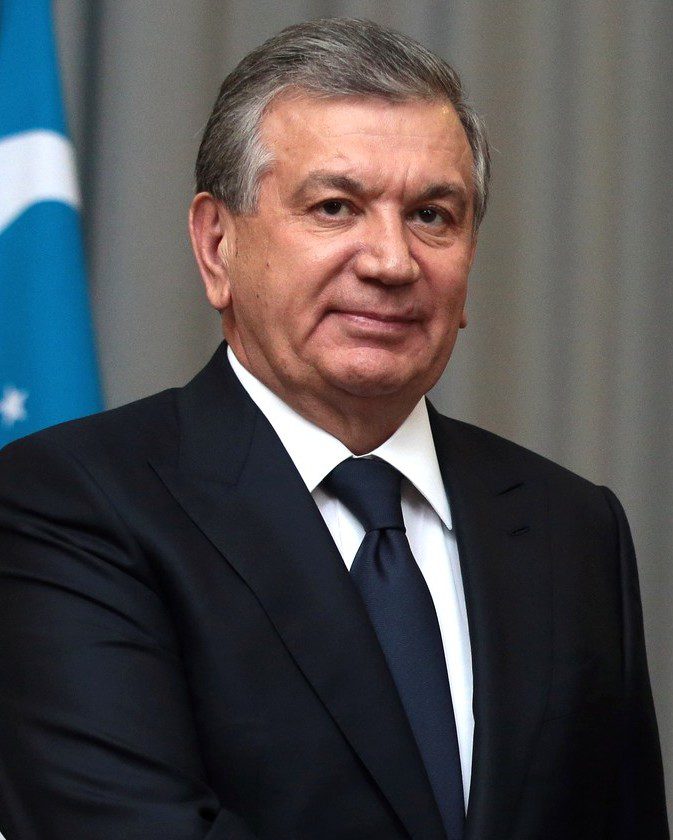
Mirziyoyev prohibited the use of forced labor in Uzbekistan and established a mechanism to address complaints in this area. An essential reform was the ban on child labor, which was previously widespread in the country, particularly in the cotton industry. This reform led to the removal of Uzbek cotton from the list of products associated with child labor.
The President’s reforms extended to the media, granting them greater freedom. Press outlets in Uzbekistan are now addressing topics that were previously considered off-limits.
One of the landmark reforms was the adoption of the “Anti-Corruption Law,” a significant step toward developing the state and establishing proper governance in Uzbekistan.
These reforms implemented under Shavkat Mirziyoyev’s leadership have had a profound impact on Uzbekistan, transforming it into a more open and progressive nation.