


Damien Chazelle’s film, “La La Land,” didn’t just serve as an ode to classic musicals; it was a genuine “love letter” to Los Angeles. The movie, which won six Academy Awards, captivated audiences with its exquisite dance numbers, romantic cityscapes, and an atmosphere that truly captured the magic of Hollywood. Filming took place at over 60 real-life locations throughout the city, giving the picture a unique sense of cinematic realism. Now, fans from all over the world travel to L.A. to see the iconic filming spots for themselves. You can also learn about the history of The Wallis Annenberg Center for the Performing Arts. More at los-angeles-trend.
How the Locations Were Chosen
The director aimed to depict the city as seen through the eyes of dreamers and romantics. That’s why the production sought out places that perfectly blended historic charm with a modern aesthetic. It was crucial to find locations that evoked the feel of classic studio musicals while remaining vibrant and instantly recognizable.
Among the film’s most famous locations are:
- Griffith Observatory. This is the iconic spot where Sebastian (Ryan Gosling) and Mia (Emma Stone) dance under the stars, seemingly floating through the air. The Griffith Observatory is a cultural landmark that has appeared in many films, including “Rebel Without a Cause” (1955).
- The Opening Freeway Sequence (105/110 Freeway Interchange). The grand opening number, “Another Day of Sun,” was shot on a ramp connecting the I-105 and I-110 freeways. The production had to completely shut down traffic for several hours to film this ambitious scene.
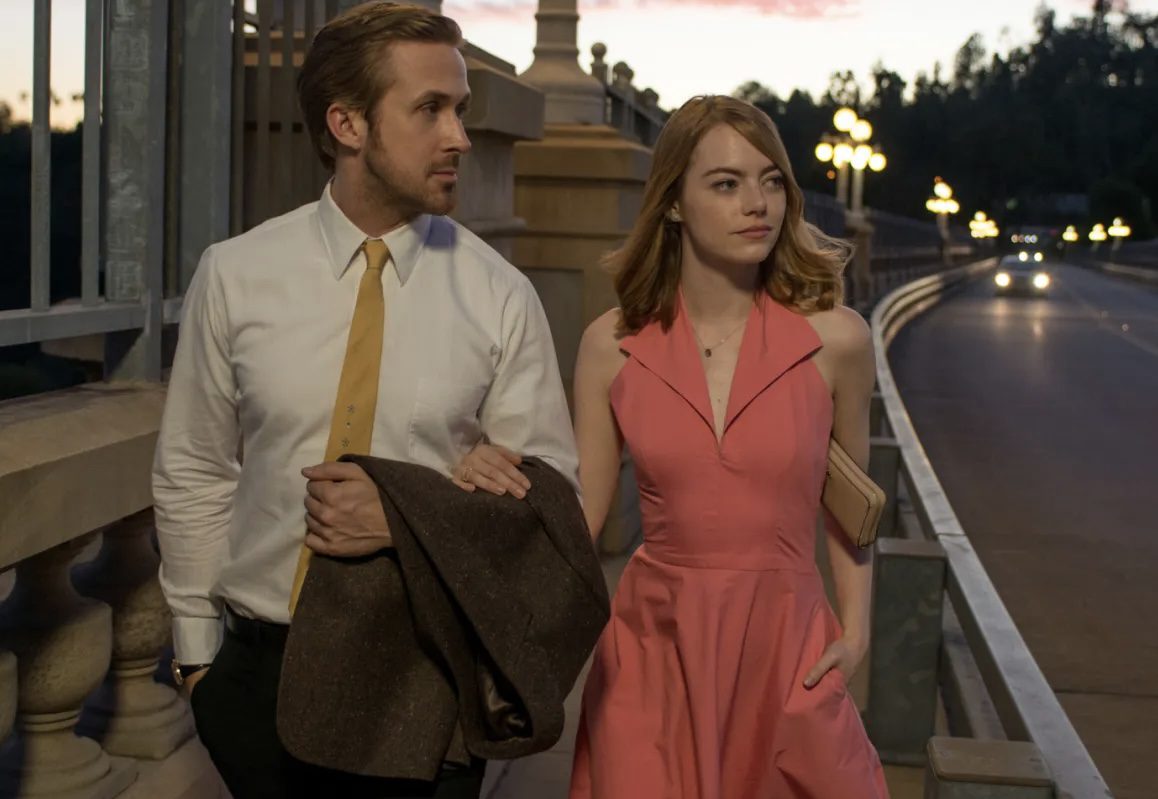
- Colorado Street Bridge (Pasadena). One of the film’s most romantic moments, where the main characters walk together at dusk, was filmed on this historic bridge, which offers incredible city views.
- The Lighthouse Café (Hermosa Beach). This legendary jazz club is where Sebastian introduces Mia to classic jazz. The club is a real, operational venue and remains a beloved spot for jazz performers today.
- Warner Bros. Studio Gate. The famed studio where Mia auditions is a real place where stars are made. Several scenes were shot directly inside the sound stages. Tours of Warner Bros. Studios allow fans to feel like part of Hollywood and see some of the iconic spots firsthand.
- Los Angeles’ Sunset Boulevard is another popular location featured in the film, reflecting the spirit of classic Hollywood. Visitors can see the famous movie theaters and other landmarks that have become symbols of the film industry.
Challenges During Filming
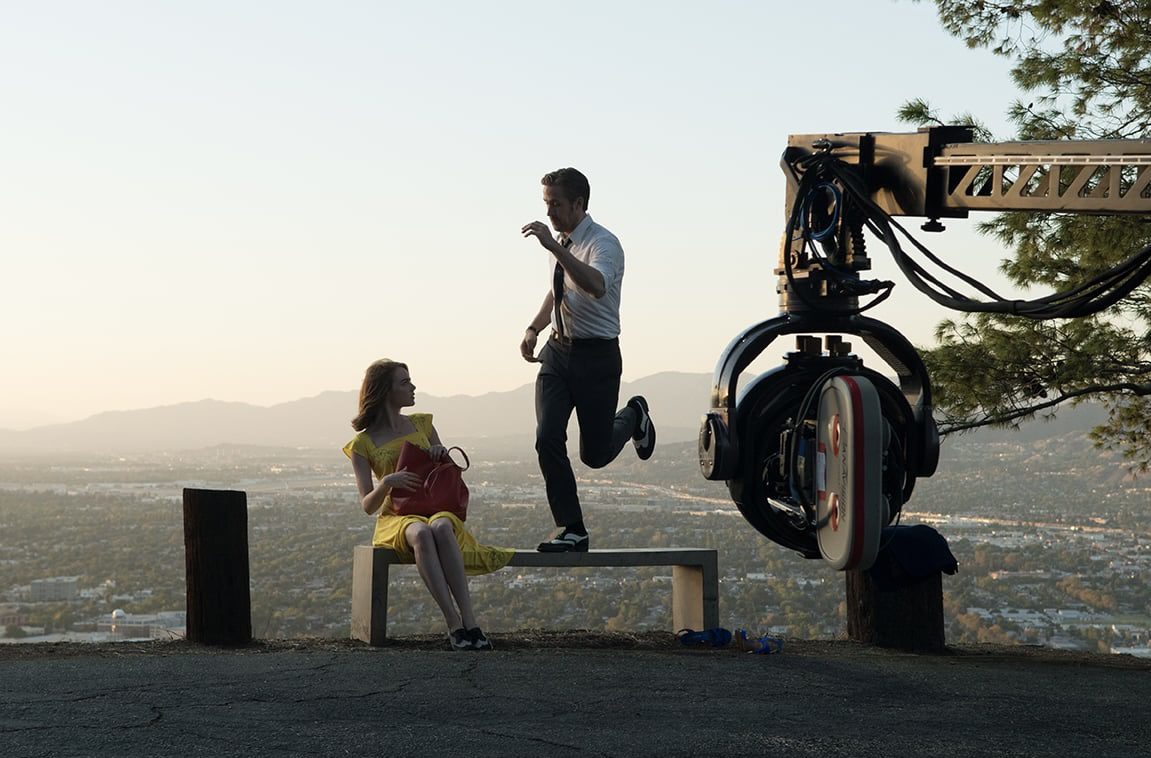
One of the greatest challenges was filming the musical numbers in real-world environments. While musicals are often shot on studio sound stages, the director aimed for a more natural feel. For example, the observatory scene combined actual footage with virtual graphics, and the freeway sequence required over 100 dancers and a complete road closure. To achieve the unique visual style, cinematographer Linus Sandgren utilized natural light and long, uncut takes. The famous dance scene with Sebastian and Mia on a hill, for instance, was filmed in a single take at sunset—the crew had only a few minutes to capture the perfect shot before the light was gone.
Sightseeing Tours
“La La Land” became a true cinematic ode to Los Angeles, showcasing its most beautiful corners through the lens of a romantic story. Following the film’s success, many fans wanted to personally visit the iconic sites where the story unfolded. The city now offers several themed tours that let you walk in the footsteps of Sebastian and Mia, experience the film’s atmosphere, and take memorable photos. Most tours last from two to four hours and include visits to the landmark locations that became the film’s calling cards. Walking tours are a great option for those who want to slowly soak up the city’s atmosphere, take pictures, and stop at cafes along the route. Bus tours are convenient for a quick overview of key locations, allowing you to see all the filming sites in a short amount of time. Individual VIP excursions are available for dedicated fans who want a truly immersive experience with a personalized guide.
Since the film’s release, demand for these tours has surged. Tourists from all over the world flock to Los Angeles to personally experience the magic of “La La Land.” Some tours even include interactive elements—such as the chance to dance at one of the locations or enjoy live jazz at The Lighthouse Café. If you’re a “La La Land” fan, a tour of its filming locations will be an unforgettable experience.
The Film’s Impact on Los Angeles
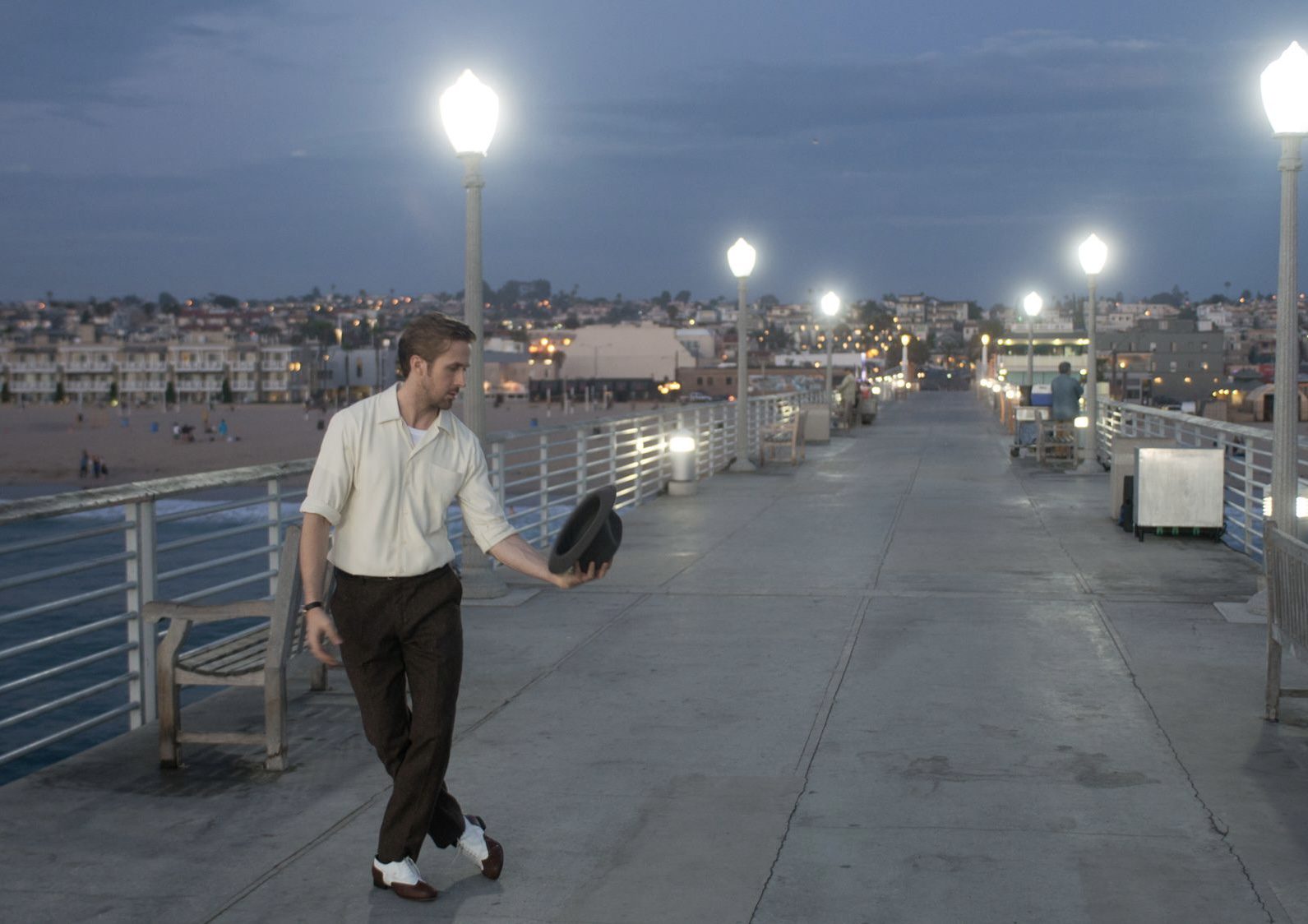
“La La Land” not only captured the hearts of viewers worldwide but also left a significant mark on Los Angeles itself. Through its aesthetic, music, and romantic view of the city, the film influenced tourism, cultural life, and even the city’s economy.
Following the premiere of “La La Land,” interest in the filming locations increased dramatically. Griffith Observatory and The Lighthouse Café became even more popular among tourists, and the Colorado Street Bridge transformed into a must-visit spot for couples’ photos. The city even began organizing dedicated tours of the filming sites. The film’s success fueled interest in Los Angeles as a tourist destination. Many viewers wanted to see the iconic places featured in the movie—Griffith Observatory, the Colorado Street Bridge, The Lighthouse Café jazz club, and others—with their own eyes. This led to a surge in demand for themed tours and a significant increase in visitor traffic to these locations.
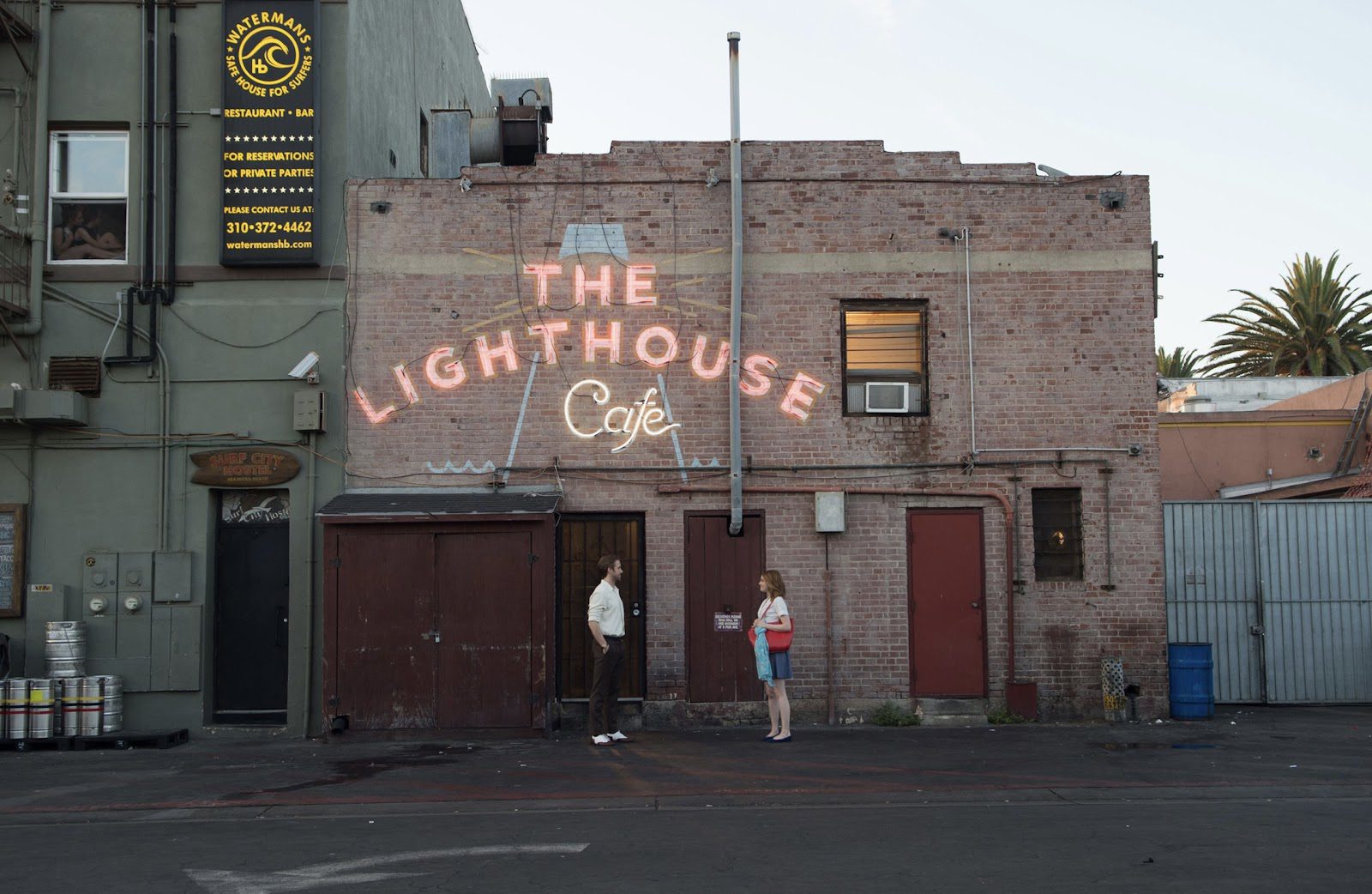
One of the film’s main motifs is jazz music and its significance to the city. After the premiere, many people became more interested in the genre, leading to increased popularity for L.A.’s jazz clubs. Venues like The Lighthouse Café and the Blue Whale began attracting more visitors, and concerts by jazz performers became even more popular. The film served as a “love letter” to Los Angeles, portraying it not just as a metropolis but as a city of dreams. This influenced filmmakers, who began using more authentic locations instead of shooting exclusively on sound stages. The release of “La La Land” also saw a rise in independent directors seeking to replicate a similar aesthetic in their work.
The film’s success positively impacted the city’s economy, particularly the entertainment and hospitality sectors. Hotels, restaurants, and souvenir shops near the filming locations saw additional revenue, and companies running cinematic tours expanded their routes and increased their staff. As a result of the heightened interest in Los Angeles as a tourist destination, the city government began investing more in the preservation and promotion of historical sites, especially those featured in the film. Some of them received additional funding for restoration and improved tourist accessibility.
“La La Land” became more than just a movie; it became a symbol of Los Angeles as the city of dreams. Thanks to thoughtful direction, a charming atmosphere, and a unique combination of real locations with cinematic magic, the film managed to convey the spirit of Hollywood and will forever remain in the hearts of viewers.
“Bridgerton” and “Grey’s Anatomy”—producer Shonda Rhimes created these special stories.