


One of the most renowned theaters in the United States, the Pasadena Playhouse plays a key role in the development of American performing arts and in nurturing new generations of actors. Founded in 1917, the theater became a cultural cornerstone of Los Angeles and California, blending classical productions with innovative projects that highlight current social and cultural themes. Throughout its century-long history, the Pasadena Playhouse has not only given talented individuals the opportunity to reach their potential but has also become a place where new theatrical traditions were born and a dialogue between generations of audiences and artists was forged. Read more on los-angeles-trend.
History of the Theater
The Pasadena Playhouse was founded in 1917 by actor and director Gilmor Brown as part of the American Little Theatre Movement, which aimed to promote professional theater outside of Broadway. The company’s first performances were held in a renovated burlesque house, where Brown and his colleagues could stage new productions and engage the local community in theatrical life.
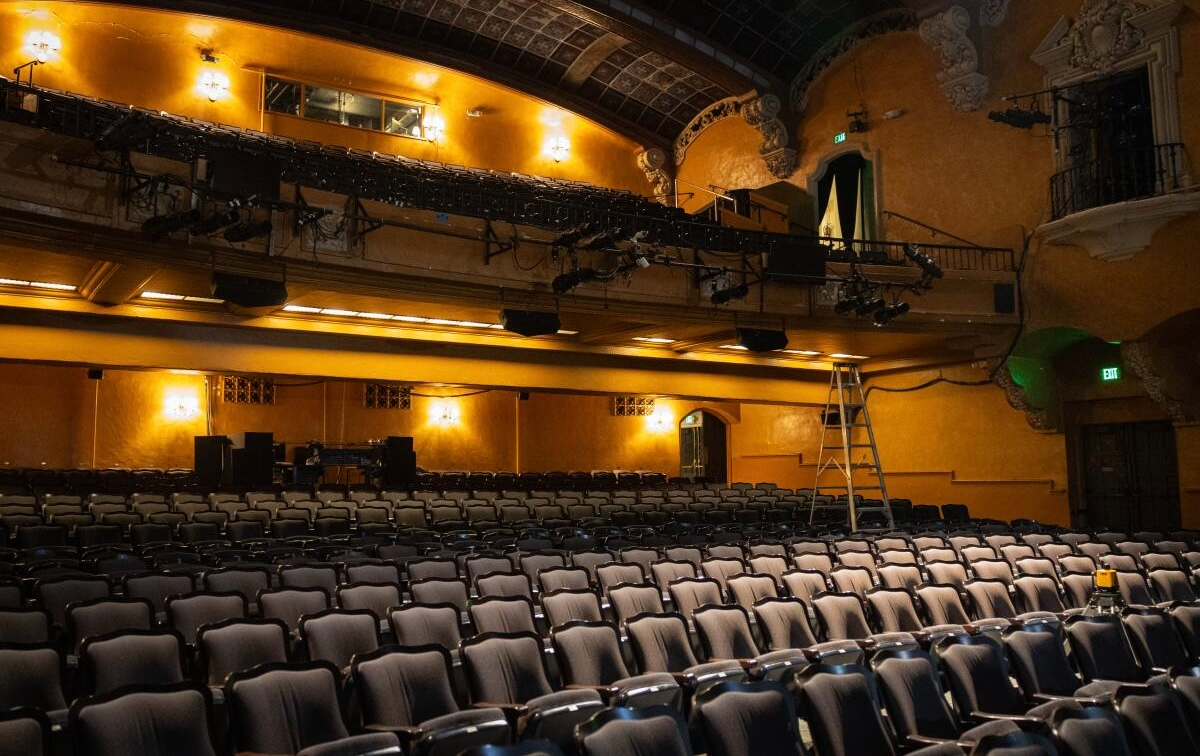
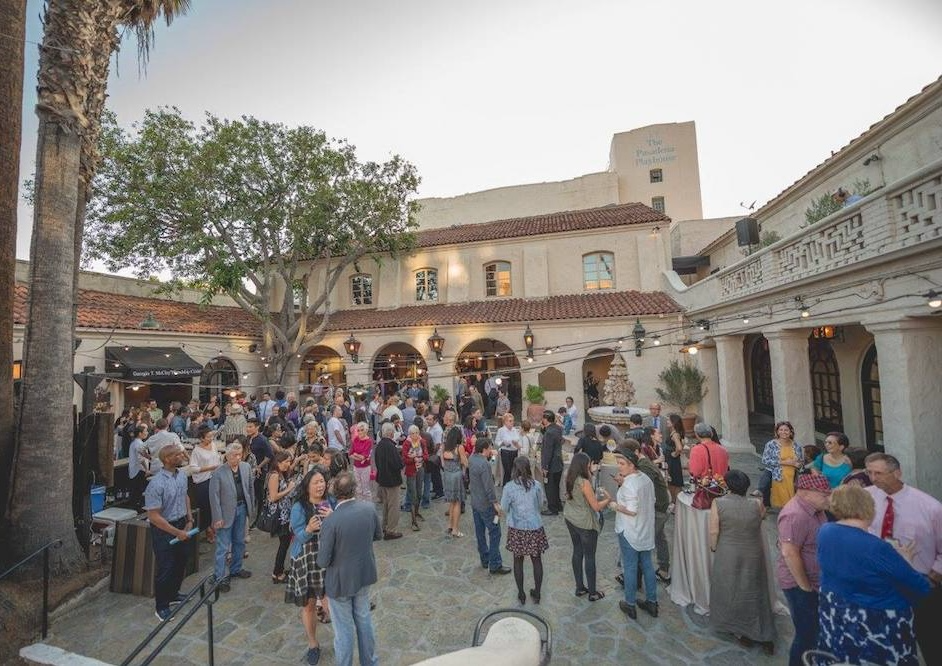
In 1925, thanks to the support of the community and private donors, a new theater building was constructed in Pasadena. Architect Elmer Grey designed the structure in the Spanish Colonial Revival style, which was distinguished by its elegant facades and the harmonious integration of architecture with the urban environment. Artist Alson S. Clark created a decorative fire curtain, which has been preserved as a symbol of the theater’s historic aesthetic and adds artistic value to the stage space.
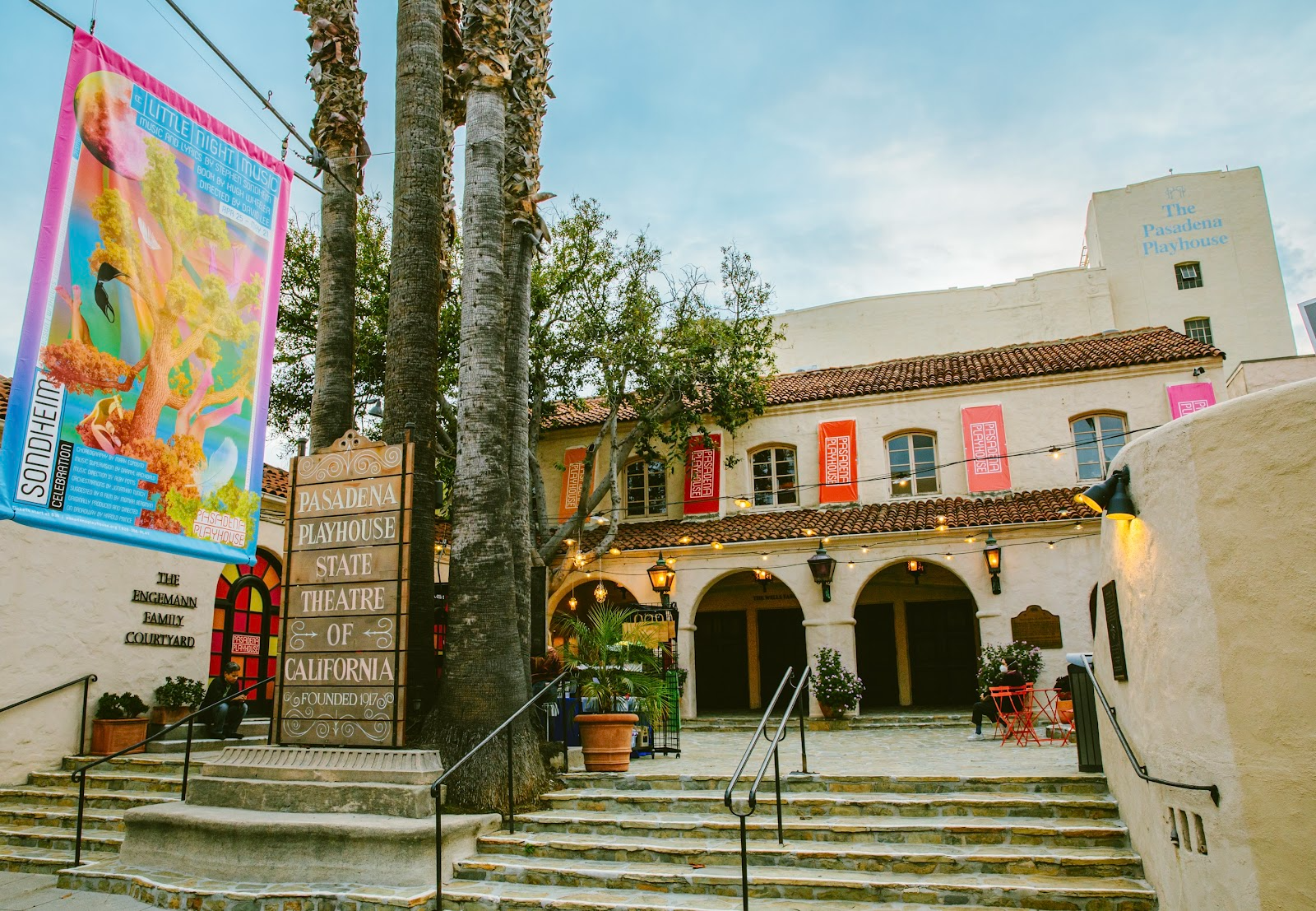
In 1937, the Pasadena Playhouse was officially recognized as the State Theater of California, underscoring its role as a leading cultural institution in the state. Throughout its history, the theater has served as a venue for world premieres and productions of plays by such renowned authors as Eugene O’Neill, F. Scott Fitzgerald, and Tennessee Williams. This cemented its reputation as the premier professional theater on the West Coast.
The theater’s mission is to enrich people’s lives through art, actively engage audiences in cultural processes, and develop educational programs and initiatives for young people.
Experiments and Innovation
During its period of active growth, the Playhouse operated up to five independent stages simultaneously, with 306 to 322 performances held on the main stage each year. To accommodate the large number of students, old houses on El Molino Avenue were converted into dormitories.
The Playhouse became one of the first theaters in California to experiment with new forms, particularly theatre-in-the-round. In addition, the institution created and managed one of the first television stations in Southern California and even trained the Army Air Forces in the use of television and radio equipment. It was the Pasadena Playhouse that prepared the first professional technicians for the region’s television channels.
However, in 1969, due to changes in Actors’ Equity Association rules and the emergence of theater departments at numerous U.S. universities, the college ceased operations. That same year, following the death of its founder, the theater went bankrupt. In 1975, the building was purchased by the city and later transferred to David Houk, who in 1986 revived the theater as a venue for touring productions across California. Although the acting school never reopened, the Pasadena Playhouse gradually regained its significance as a cultural center. Over the next two decades, the theater staged classic dramas, new musicals, and plays, reintegrated into the educational landscape, and by 2008 had transformed into a powerful theatrical institution with an annual budget of over $8 million.
Theatrical Activities
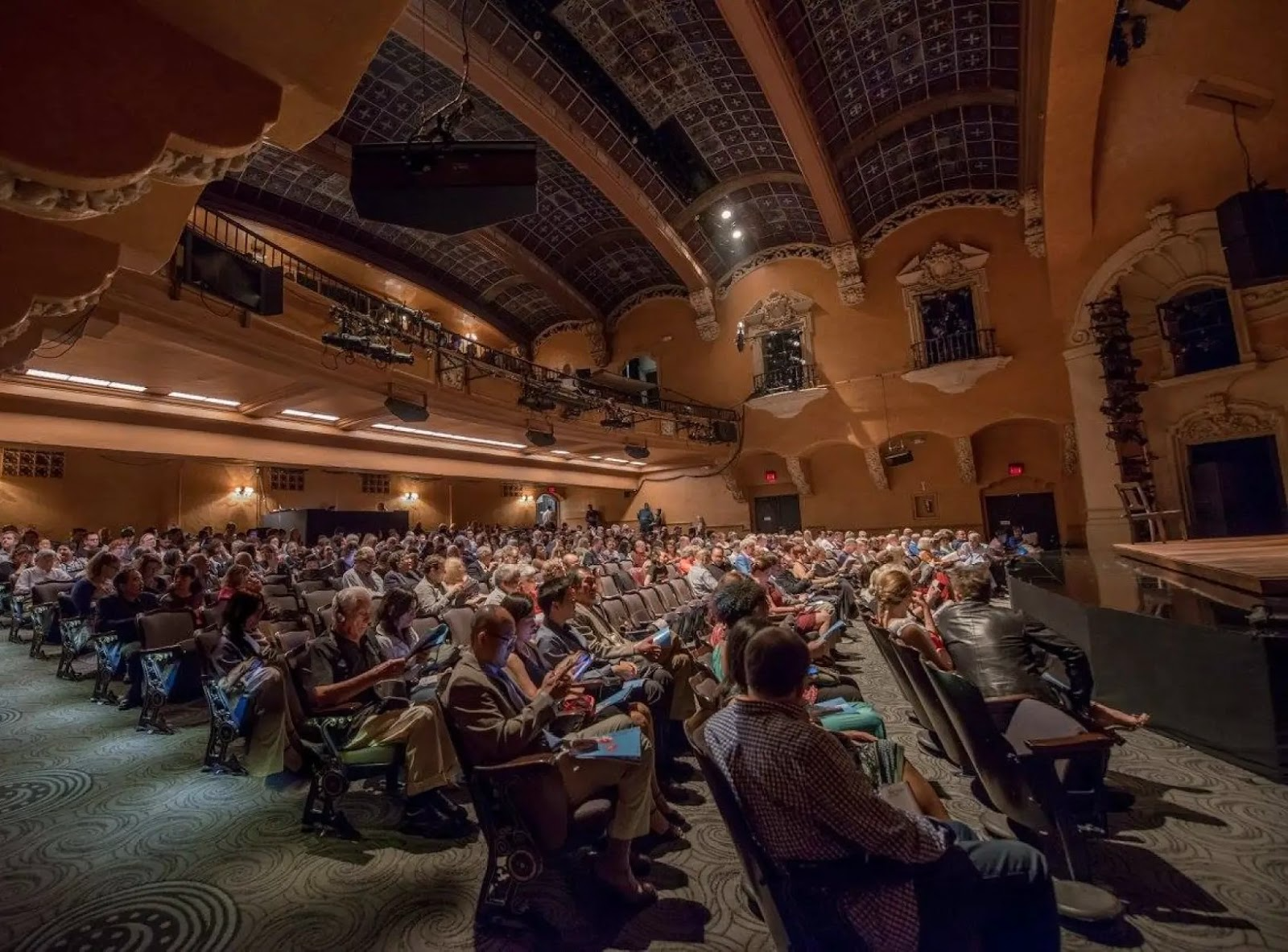
The Pasadena Playhouse is one of the most prolific theaters in the U.S., having staged thousands of original productions since its founding. The theater is known as a hub of professional performing arts, where classic works, contemporary drama, and musicals converge. It serves as a platform for groundbreaking productions that reflect cultural and social diversity, as well as addressing pressing issues in modern society.
Among its recent and most notable productions are:
- “Little Shop of Horrors” — This cult classic musical was given new life with a modern directorial approach by Mike Donoghue. The production blended classic humor and musical elements with contemporary staging, attracting a new generation of audiences.
- “The Father” — A psychological drama starring Alfred Molina that deeply explores themes of dementia, family relationships, and human loneliness. The play received high praise from critics for its acting and scenographic design.
- “Annie Get Your Gun” — Irving Berlin’s classic musical returned to the Pasadena Playhouse stage with an updated sound and contemporary choreography, highlighting the freshness and relevance of the timeless story.
The theater actively supports educational initiatives by organizing workshops, master classes, and play readings for students and young artists. These programs provide practical on-stage experience, training in acting, directing, and script analysis, and contribute to the development of the next generation of creative professionals. Special attention is given to supporting local and regional talent, ensuring a constant influx of new ideas and fresh approaches in its productions.
Famous Alumni and Awards
Over its more than century-long history, the Pasadena Playhouse has earned widespread respect in the theater community and numerous prestigious awards. In 2023, the theater received the Regional Theatre Tony Award, a testament to its high professional standards, innovation, and significant contribution to the development of American performing arts. This award highlighted the Pasadena Playhouse’s role as a cultural center where classic and contemporary productions coexist and new talent is nurtured.
The theater has also received numerous regional and national accolades for its outstanding productions, educational programs, and cultural initiatives, including honors from the Los Angeles Drama Critics Circle and the Ovation Awards. Critics have repeatedly praised the high quality of its acting, directing, and stage design, making the theater an example of professionalism and an innovative approach to the arts.
Famous alumni of the Pasadena Playhouse include Dustin Hoffman, Sally Struthers, Jo Anne Worley, Robert Preston, and Mako, among others. These actors achieved significant success in film, television, and theater, and their careers often began on the stage of the Pasadena Playhouse.
Financial Struggles
Despite its consistent popularity and positive critical reviews, the Pasadena Playhouse has repeatedly faced financial difficulties since its revival in the 1980s. Debts amounting to millions of dollars, incurred from unforeseen building restoration costs, forced its leadership to balance loan payments with high daily operating expenses.
On January 29, 2010, the Los Angeles Times reported that the theater would be forced to close its doors on February 7, after the run of the musical Camelot, and cancel the remainder of its season. On May 11, 2010, the Pasadena Playhouse filed for bankruptcy protection and announced its intention to restructure its operations to reduce its debt load. However, in less than four months, the theater was able to resume its activities. This was made possible by a multi-million dollar anonymous donation and a court decision that forgave a portion of its debts. Staffing was also streamlined. In a comment to the LA Times, Artistic Director Sheldon Epps emphasized that these changes were intended to ensure financial stability and give the theater a chance at a long-term future.
Thanks to audience support, the situation improved significantly: most subscribers declined refunds for the canceled shows, effectively saving the theater from over a million dollars in losses. On April 1, 2011, the theater celebrated its return to financial solvency with the “Premiere Gala: Opening Night.”