


Theatre arts have captivated audiences throughout history by offering people the chance to witness the magic of artistic expression firsthand and observe the birth of something truly magnificent.
The last and most extravagant, exquisite movie palace built on Broadway was the Los Angeles Theatre (LAT). This very place was synonymous with unspeakable luxury and high art. To learn more about this iconic venue and the Broadway Theatre Group (TG), visit the los-angeles-trend.
LOS ANGELES THEATRE AND ITS STORY
Situated in the heart of Downtown Los Angeles, this magnificent theatre was built between 1930 and 1931. The project was designed by esteemed architect S. Charles Lee, who drew inspiration from French Baroque design. The theatre boasted a spectacular six-story main lobby and a spacious auditorium with 2,200 seats.
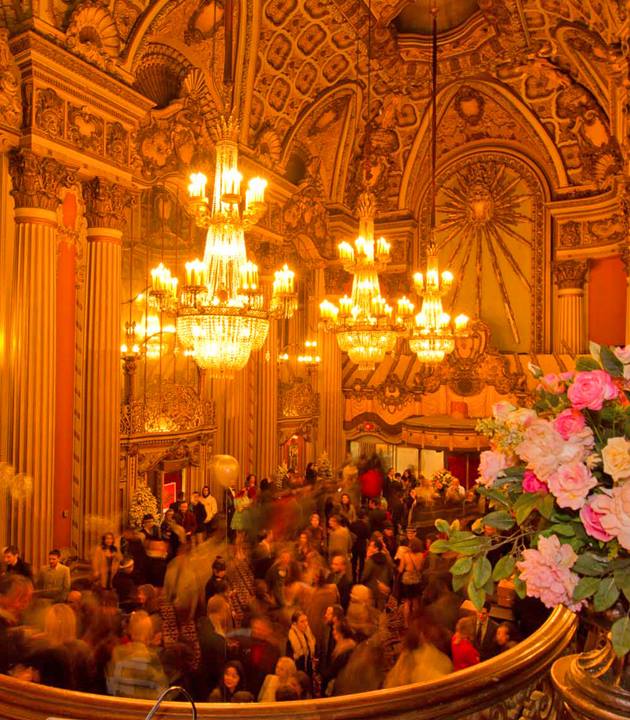
Every visitor would be immediately captivated by the intricate details that collectively paint a vivid picture of the luxury and allure of 1930s Hollywood. Meticulously carved plaster ornaments, enchanting cove-lit murals and elegant mirrors all contribute to the theatre’s grandeur.
The LAT was commissioned by H. L. Gumbiner, an independent film exhibitor from Chicago. One of his other projects was The Tower Theatre, which you can learn more about here. There is an assumption that the lavish interior of the theatre was inspired by the Hall of Mirrors at Versailles.
Construction started in August 1930, when only a hole had been dug. Surprisingly, by January 1931, the grand opening of the LAT was already taking place. It’s amazing how quickly such a grand cultural institution was built in just six months.
It’s worth mentioning that architect S. Charles Lee’s off-site fabrication of plaster ornaments sped up the construction process significantly. He transported them to the theatre location once they were finished, where the elements were put together like a jigsaw puzzle.
The LAT’s history also involves Sir Charles Spencer Chaplin, an English comic actor, director and composer who became famous during the silent film era. He even contributed financially to the theatre’s completion. All the work was completed in time for the grand opening featuring Chaplin’s film City Lights in January 1931.
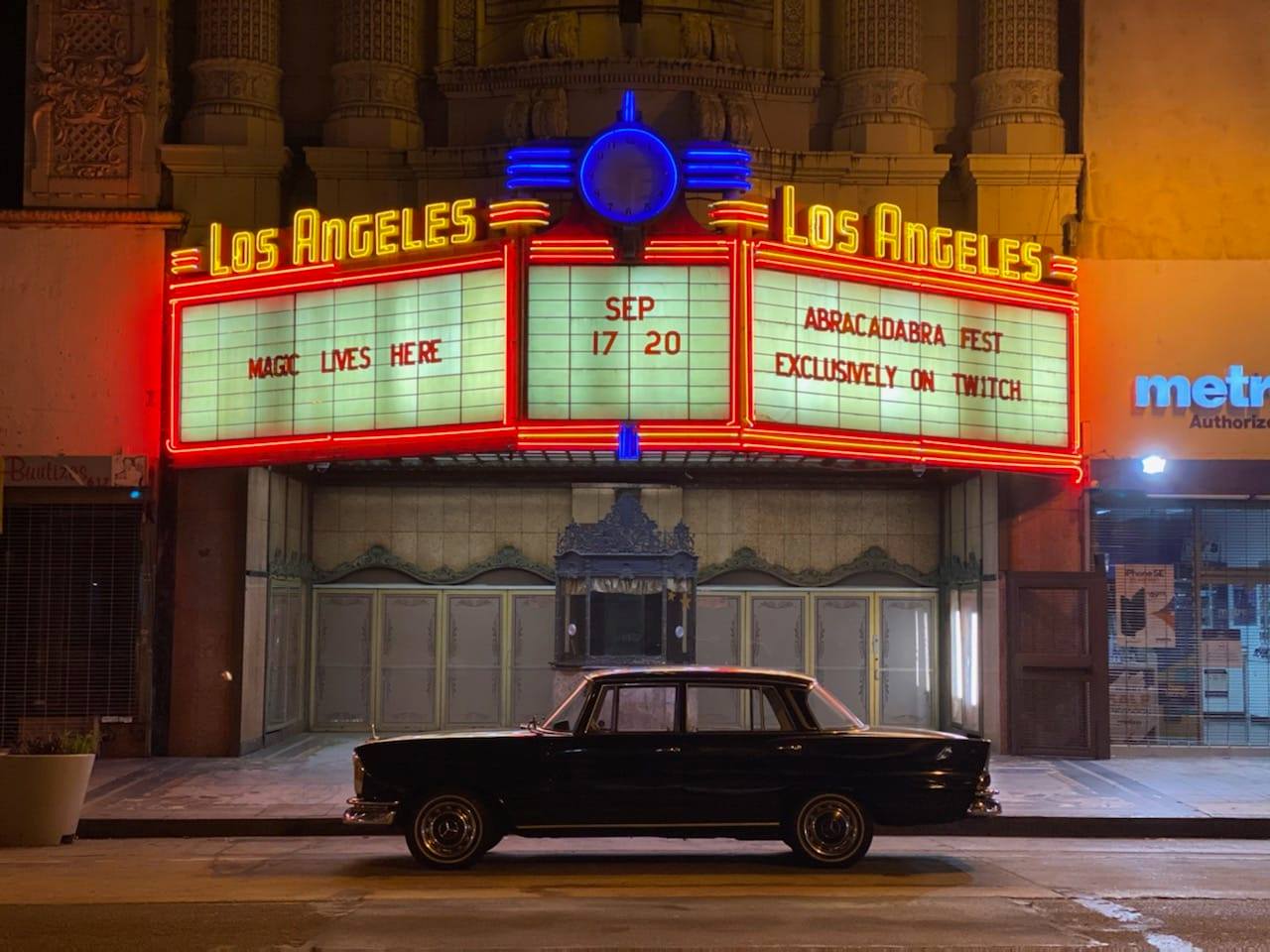
THE LAST MOVIE PALACE ON BROADWAY
The LAT is considered to be the last movie palace built on Broadway. Its construction was influenced by the Great Depression and the rivalry from Hollywood Boulevard, which earned the nickname ‘Great White Way’.
During World War II, theatre attendance significantly increased, with factory workers eagerly attending shows before or after their strenuous shifts. In 1982, the LAT faced the threat of demolition until businessman Ezat Delijani stepped in and purchased it, recognizing its historical importance and stunning beauty. Over time, his family acquired three more theatres, eventually establishing the Broadway TG.
Attendance gradually declined until the LAT closed its doors to the public in 1994.
Despite its beauty and atmosphere, the venue remained empty for quite some time, although it was available for rent as a special event space. The LAT is a recognized historic landmark on the National Register of Historic Places.
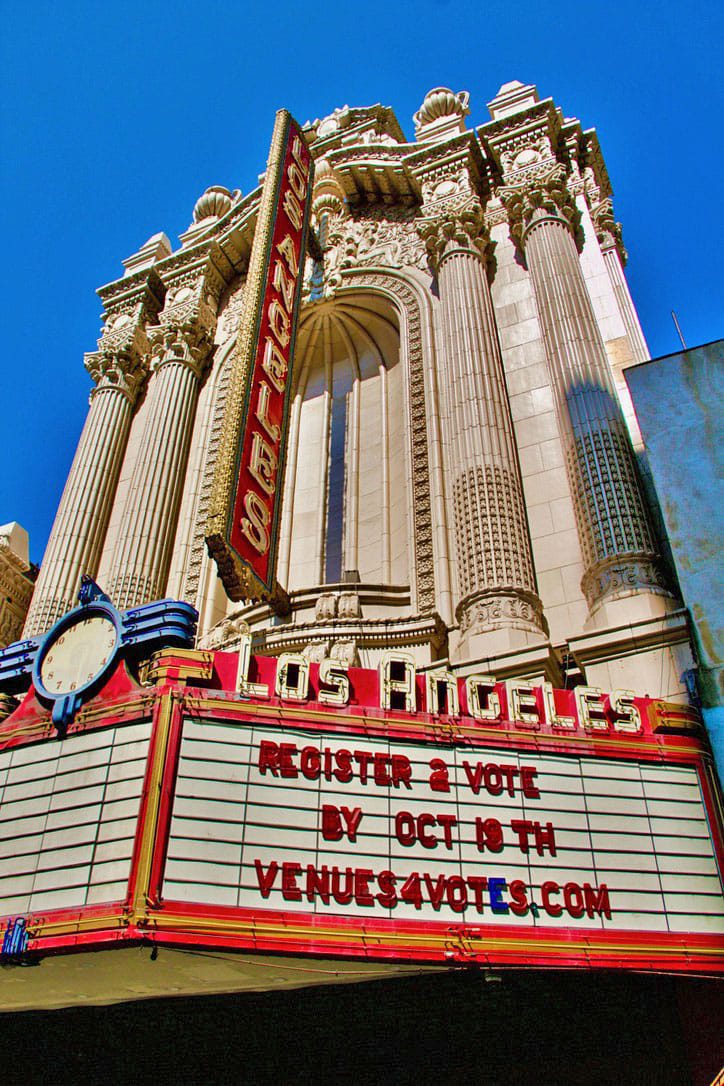
THE PAST AND PRESENT INTERSECT
The story of the LAT continues, as today’s Los Angeles residents can rent the space for various events. The possibilities are endless, from movie screenings and special performances to parties, weddings and receptions. With a seating capacity of 2,000 on the orchestra and balcony level and an additional 2,000 guests in the grand lobby, ballroom and restaurant, it’s the perfect venue to bring any event to life.
Often, the small spaces of the LAT are rented for more intimate gatherings. For instance, a date in such an atmosphere can impress the romantic nature.
The auditorium is equipped with top-notch facilities for live stage performances and movie screenings. Additionally, the lobby or ballroom is an ideal venue for hosting lively events, such as a 1930s-themed costume party in the vibrant style of Los Angeles.
The LAT is a popular spot for filming because it’s truly one-of-a-kind in Southern California. With stunning marble-clad restrooms and ballrooms featuring glass ceilings, this place can’t fail to impress.
Additionally, it is worth mentioning that the design of the facade and marquee of the Los Angeles Theatre served as inspiration for the Hyperion Theatre at Disney California Adventure in Anaheim.
BROADWAY THEATRE DISTRICT IN LOS ANGELES
It holds a significant position in the hearts of multiple generations of the city, evoking memories of the illustrious Golden Age of Hollywood. This district boasts the highest concentration of historic theatres and movie palaces on a single street in the entire country. Most of these architectural treasures date back to the vibrant 1920s and 1930s.
Broadway has always been known for its entertainment value. It was a thriving business and shopping district in the first half of the 20th century, serving as an economic center for the country. The elegant high-rise buildings along Broadway were often compared to the vibrant streets of New York City or other major metropolitan areas.
The ambiance and rich history of the place make you feel like you have stepped back in time, surrounded by stunning architecture inspired by Beaux-Arts, Art Deco, or Renaissance styles. The Broadway theatres may appear unassuming from the outside, but inside, they boast opulent marble staircases, intricate balconies, comfortable seats, and ceilings adorned with stars.
The expansive and beautifully contrasted interiors, along with the gilded Rococo structures, are a wonderful part of history that has fortunately survived to the present day. Before cinema filled the souls of audiences, theatres flourished. Subsequently, theatre venues were transformed into movie palaces before ultimately shutting down.
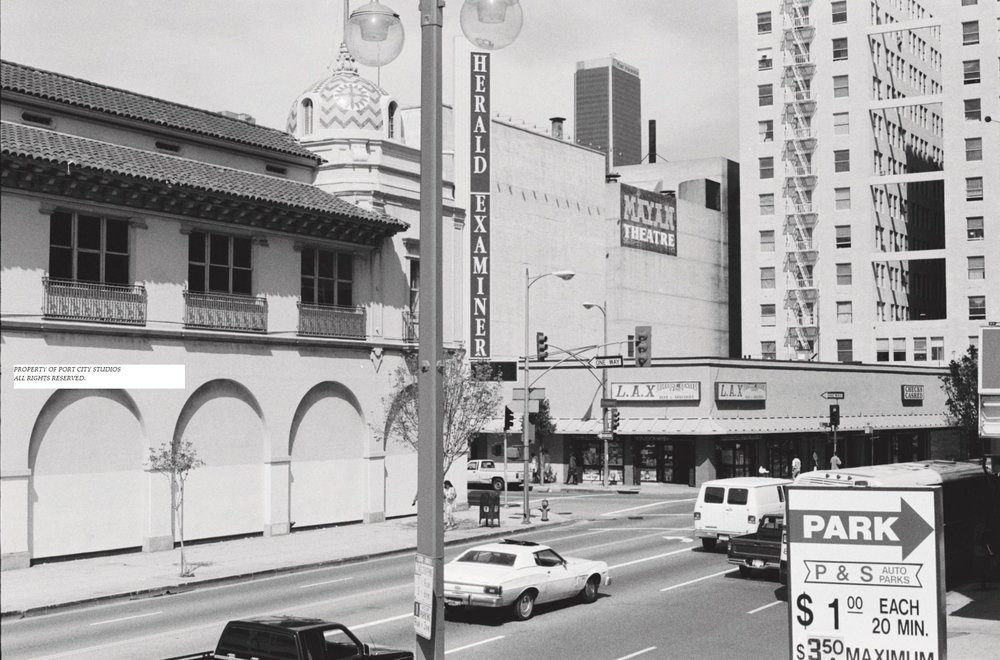
BROADWAY ATMOSPHERE
The bustling streets of the Broadway Theatre District were always filled with streetcars carrying eager shoppers, workers and anyone looking for a good time. From morning till night, the district buzzed with activity, as it was a vital part of the main business and commercial route.
However, the rise of shopping centers, movie theatres and the development of a modern high-rise financial district in the southeastern part of Downtown caused the Broadway vicinity to start experiencing a gradual decline.
BROADWAY TG
It was established to preserve the remarkable movie palaces built in Downtown Los Angeles during the early 20th century. Its tasks also include restoring the original beauty and grandeur of these establishments. The TG comprises the Los Angeles Theatre, Palace Theatre, Tower Theatre and State Theatre.
The restoration of these theatres has cost millions of dollars, both in terms of their architecture and interiors. Skilled artists and craftsmen are essential in accurately reconstructing badly damaged original elements of the design.
The Broadway TG has taken charge of modernizing the lighting and electrical systems to cater to the requirements of contemporary performers. Notably, the restoration and reopening of these theatres have played a crucial role in revitalizing the Broadway District. This effort has been complemented by the Bringing Back Broadway initiative led by City Councilmember José Huizar in Los Angeles.