


The theater’s story began in the first half of the 20th century. It has undergone a long journey and transformation, evolving into not just a theater for world premieres, but also an institution that teaches the community the fundamentals of theater and elevates the art form. Also, learn about the center for African American culture in Los Angeles. More at los-angeles-trend.
The Theater’s History
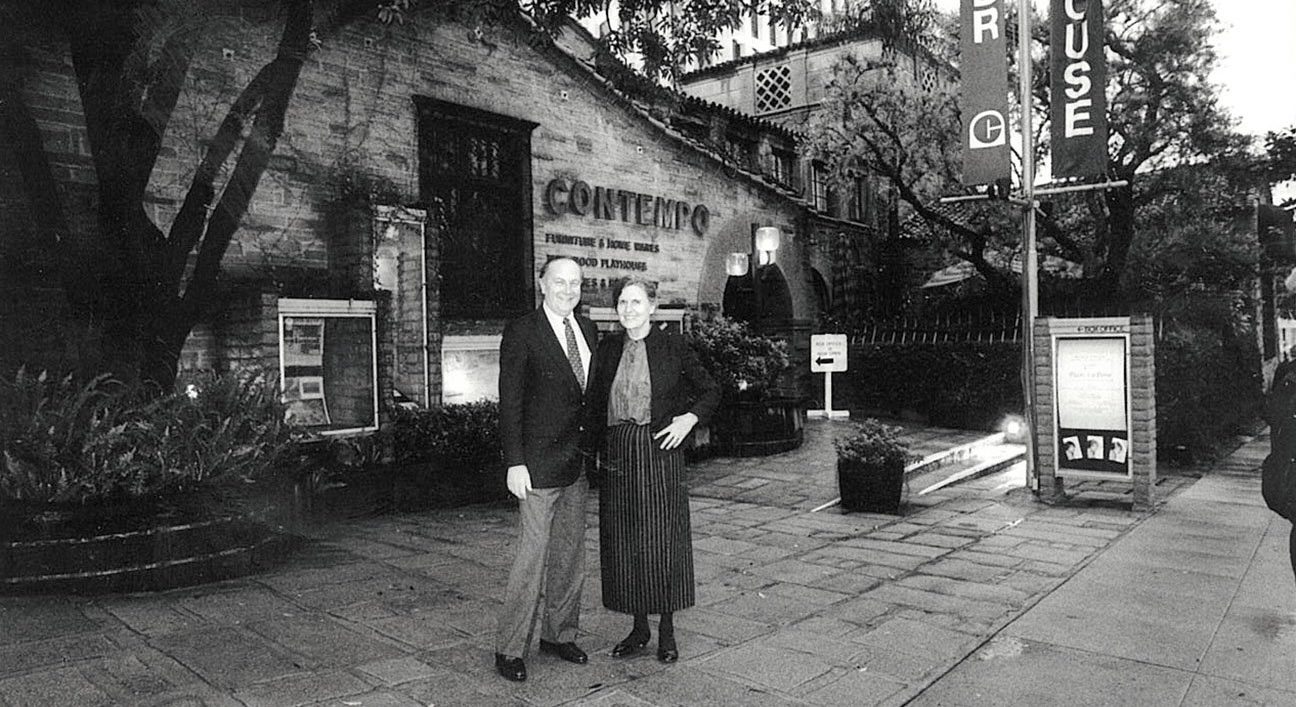
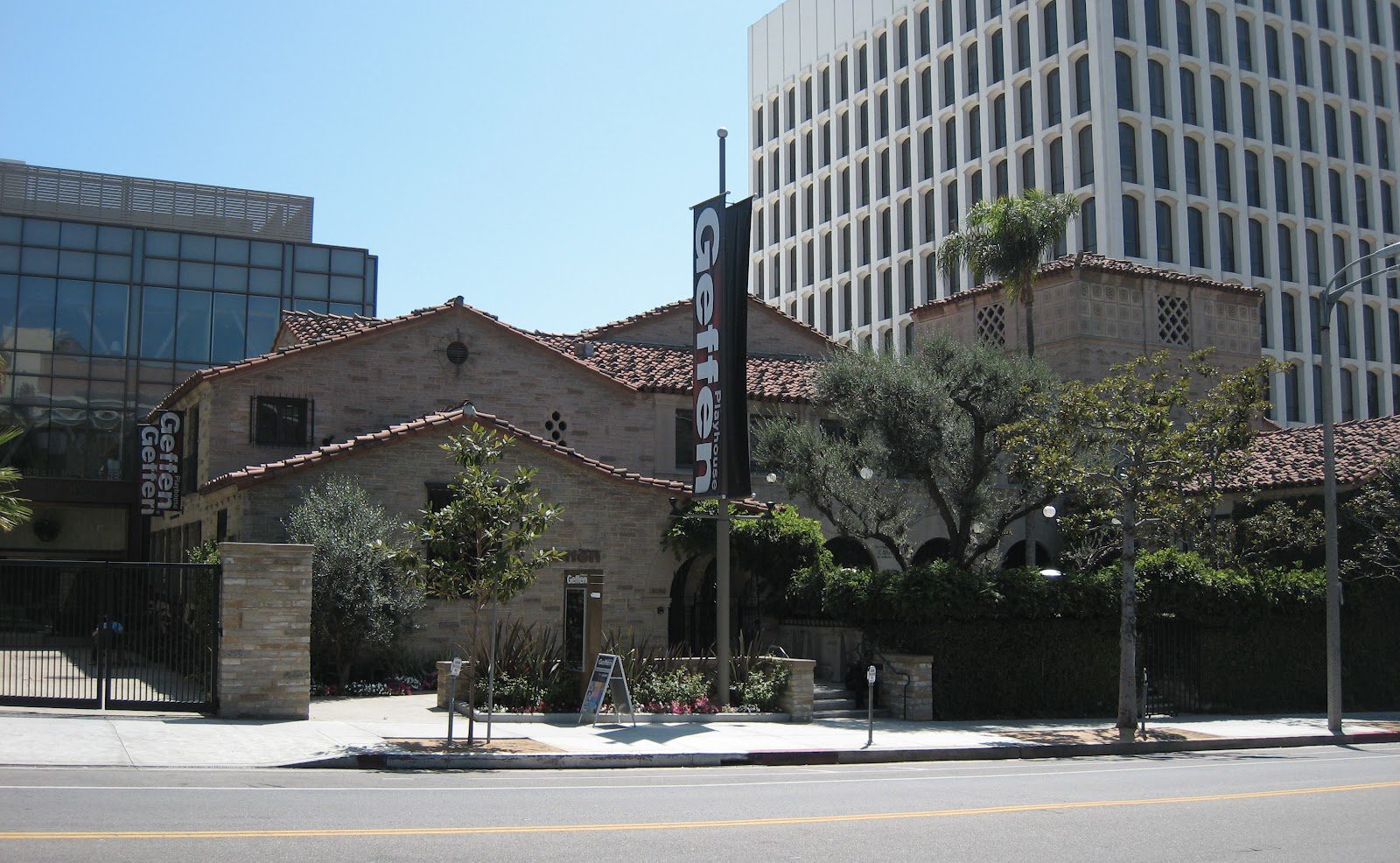
The theater building was constructed in 1929. Originally, it wasn’t a theater but a Masonic club used for student events and conferences. It remained this way for over 40 years until the Masons sold the building in the early 1970s to local business owners Donald and Kristen Combs. The family actively took on the building’s reconstruction. They restored the central courtyard and tiled fountain, reopening the building to the public. And still, it wasn’t a theater. The site housed a furniture store and a restaurant. Only a portion of the building was dedicated to the Westwood Playhouse. In the mid-1990s, the family donated the theater to the University of California, Los Angeles (UCLA) on the condition that it would remain a theater forever. Gilbert Cates, founder of the UCLA School of Theater, Film and Television, took charge of developing the theater and creating its educational programs. He had a lifelong dream for Westwood to have its own world-class theater. After many months of hard work, fundraising, and assembling a team, Cates renamed the theater Geffen Playhouse in honor of a generous founding donor, mogul David Geffen. The theater officially opened its doors in 1995 with a production of John Patrick Shanley’s “Four Dogs and a Bone.”
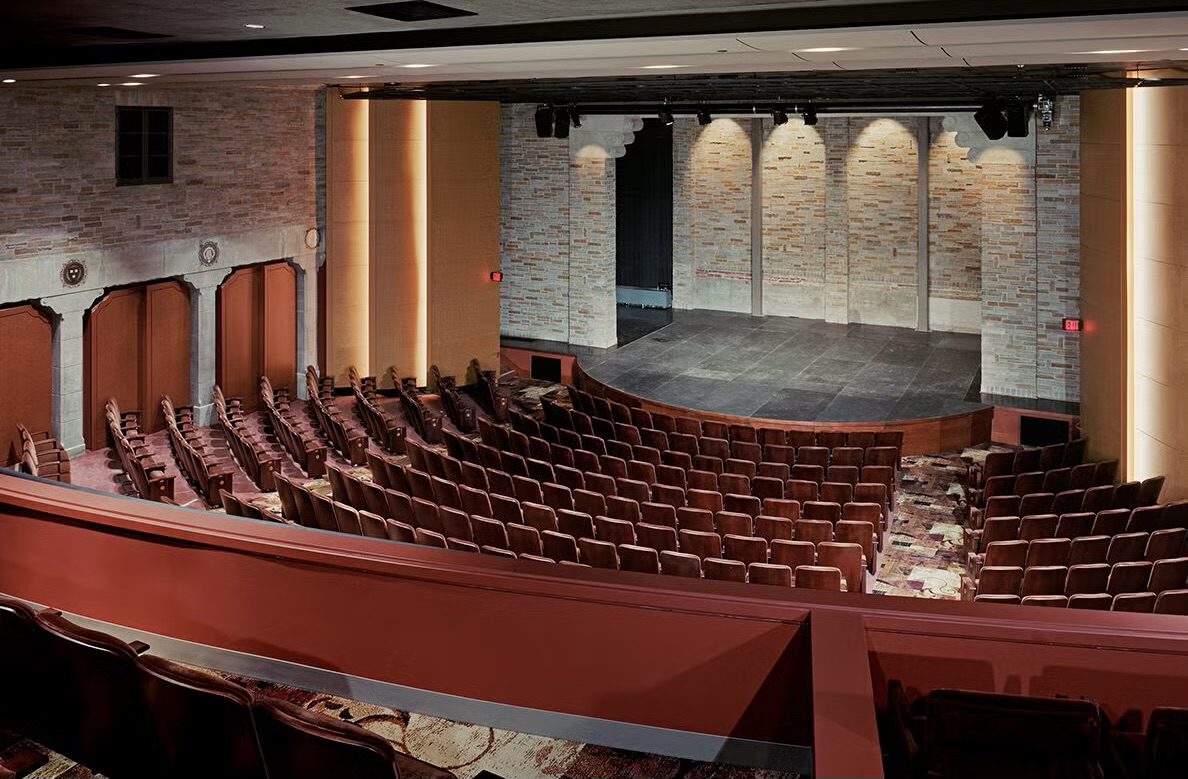
In the early 2000s, the theater produced its first play, Donald Margulies’s “Collected Stories.” In 2001, the organization began a renovation of the building that cost over $17 million. The contemporary building was updated with new technologies and production structures for large-scale events. Geffen Playhouse continues to present groundbreaking theatrical productions in both the Gil Cates Theater and the Audrey Skirball Kenis Theater.
How Do the Educational Programs Work?
Beyond its regular shows and performances, Geffen Playhouse also invests in the future of youth and theater. Schoolchildren receive tickets to the theater and to intellectual discussions. The Playhouse also partners with high schools throughout Los Angeles. This allows students from underserved backgrounds to attend the seasonal program. They get to see performances, learn more about them, and even try their hand at acting. Younger children receive programming through Story Pirates. Geffen Playhouse is a non-profit organization dedicated to enriching the cultural life of Los Angeles through new plays and educational programs. The organization is named for mogul David Geffen. He made a $5 million gift in 2002, which helped the organization become a hub for theater life in Los Angeles. It has become known for its mix of classic and contemporary plays, as well as its provocative world-premiere productions.
The organization was founded in 1995. The 512-seat Gil Cates Theater performance space, named after Geffen’s founder Gil Cates, was established. It frequently hosts plays and special events, including concerts, holiday productions, and play readings. This theater also holds several educational and outreach performances and events annually.
The Jason and Yvonne Lee Geffen Playhouse Annex is where the organization’s events are rehearsed, and it also hosts community groups and educational programs, while Geffen Stayhouse is the virtual venue that hosts live streams. The organization is affiliated with the University of California, Los Angeles. It reaches an annual audience of over 130,000 people and supports education and community engagement programs designed to connect underserved youth and the broader community with the arts. Many teaching artists and staff collaborate with educators participating in the high school programs. This helps create an accessible theater experience for students.
Educational Programs
Programs for educators include the Literacy Project. This is a school-year program that combines theater workshops and performances with one-on-one instruction. There is also the High School Partnership Program, a seasonal program of plays and theater workshops for high school students. Student programs include the Youth Storytelling Workshop, a six-week creative dramatic writing seminar for participants aged 18 to 24, as well as discounted student tickets, study guides, and various student resources.
Community members can participate in writing workshops, theater performances, and a series of special performances and community-building dialogues.
The organization promotes diversity, equity, and inclusion (DEI). It also strives to expand its institutional practices to stand against systemic racism and injustice. In October 2020, a DEI Committee composed of artists, staff, and board members was formed. This committee developed and implemented an official company-wide diversity and equity policy, initiated guest forums and a book club focused on relevant works, and implemented a wide range of steps on DEI issues.
The organization’s vision is for people of all races, creeds, sexual orientations, abilities, genders, and backgrounds to be able to participate in the development of art. This, in turn, reflects the dynamic human experience and activates a more just and vibrant community.