


He is one of the most influential composers of our time, whose music has become an inseparable part of countless iconic films. His unique style, a blend of orchestral sound with electronics and experimental techniques, created a new approach to film scoring. Everyone has heard his music. Here is a closer look at the success story of the renowned composer. Read more at los-angeles-trend.
Biography
Hans Florian Zimmer was born on September 12, 1957, in Frankfurt am Main, Germany. He grew up in a creative family where children were encouraged to develop skills rather than sit in front of the TV. The main entertainment was playing the piano. From childhood, Hans learned to play the instrument virtuosically, spurred on by his mother. She helped him understand the piano’s construction and taught him to play. Hans’s father was an engineer who loved to invent new things, and this passion for his craft was passed down. When Hans was 5, his father died of a heart attack, and the piano became his solace. He played daily to cope with the loss and redirect his focus. He never received a formal classical education. Hans attended the creatively focused Hurtwood House school, where he continued to perfect his piano technique. After school, Hans played keyboard in two bands, one of which was the synth-pop group “The Buggles.” Hans can even be spotted in the music video for their song “Video Killed The Radio Star,” a clip famous for being the very first one shown on MTV in America.
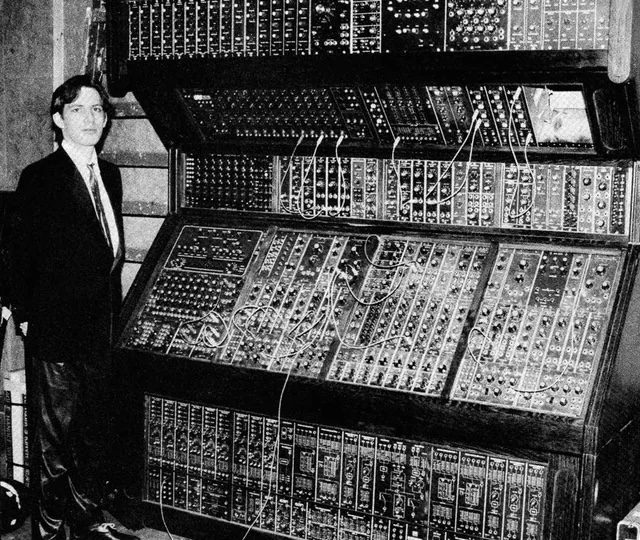
Music became Hans’s job. He started writing advertising jingles to make a living, but this wasn’t what attracted the young composer. Even then, he dreamed of writing for film. Simultaneously, he played in various bands. His breakthrough came from collaborating with composer Stanley Myers, which opened the door to the film industry. Hans met him in the 1980s. At the time, Myers was a popular British film composer, whose main work was the score for “The Deer Hunter,” starring Robert De Niro and Meryl Streep. That film won an Oscar in 1979. Thanks to this connection, Zimmer became his assistant—Hans made him coffee, and Stanley taught him music.
Personal Life
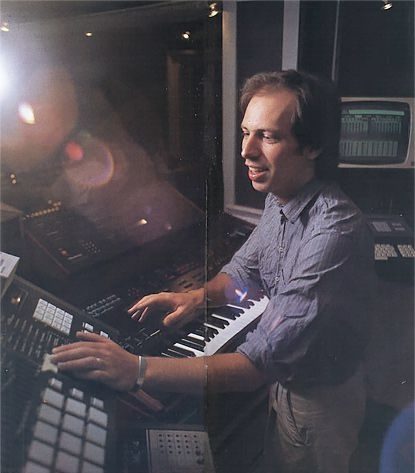
Zimmer has been married twice. His first wife was Susanne Zimmer, with whom he has a daughter, Zoe, who is also a musician. However, their marriage ended in divorce in 2020. In 2023, Hans Zimmer married for the second time to Dina De Luca, a model and designer. Their marriage became public during his London concert when he announced the engagement right on stage.
The composer is also a huge fan of technology and is always experimenting with new musical innovations. He loves to travel, which helps him find inspiration for his compositions. He is also civically active and supports various charitable initiatives, especially those related to arts and education. Despite his global fame, Hans Zimmer remains a relatively humble person, focused on his music and creativity.
Hollywood Breakthrough
A small film studio appeared in London, and Zimmer and Myers began scoring its films together. They co-wrote the music for the action-comedy “Police Story,” starring Jackie Chan. Zimmer also created the soundtrack for the drama “A World Apart.” His work quickly gained popularity, and more directors learned of him. Barry Levinson’s wife fell in love with Zimmer’s music. In 1988, Levinson contacted Hans to invite him to Hollywood. The job was for the film “Rain Man.” This earned Zimmer his first Oscar nomination. He used electronic arrangements and African motifs, creating an innovative sound.
In the 1990s, he cemented his status with work on:
- “The Lion King” (1994) – The film won him an Oscar for Best Original Score.
- “The Rock” (1996) – A prime example of action movie music.
- “Gladiator” (2000) – An iconic collaboration with Lisa Gerrard that won him a Grammy Award.
Since the early 2000s, Hans Zimmer has created music for major blockbusters. Among them:
- “The Dark Knight” Trilogy (2005–2012) – This score is marked by its dark sound and use of electronic textures.
- “Inception” (2010) – Known for the legendary “Time” motif and the “BRAAAM” sound effect.
- “Interstellar” (2014) – Its organ-heavy sound was revolutionary for soundtracks.
- “Dune” (2021) – An experimental approach using exotic instruments.
Film Scores
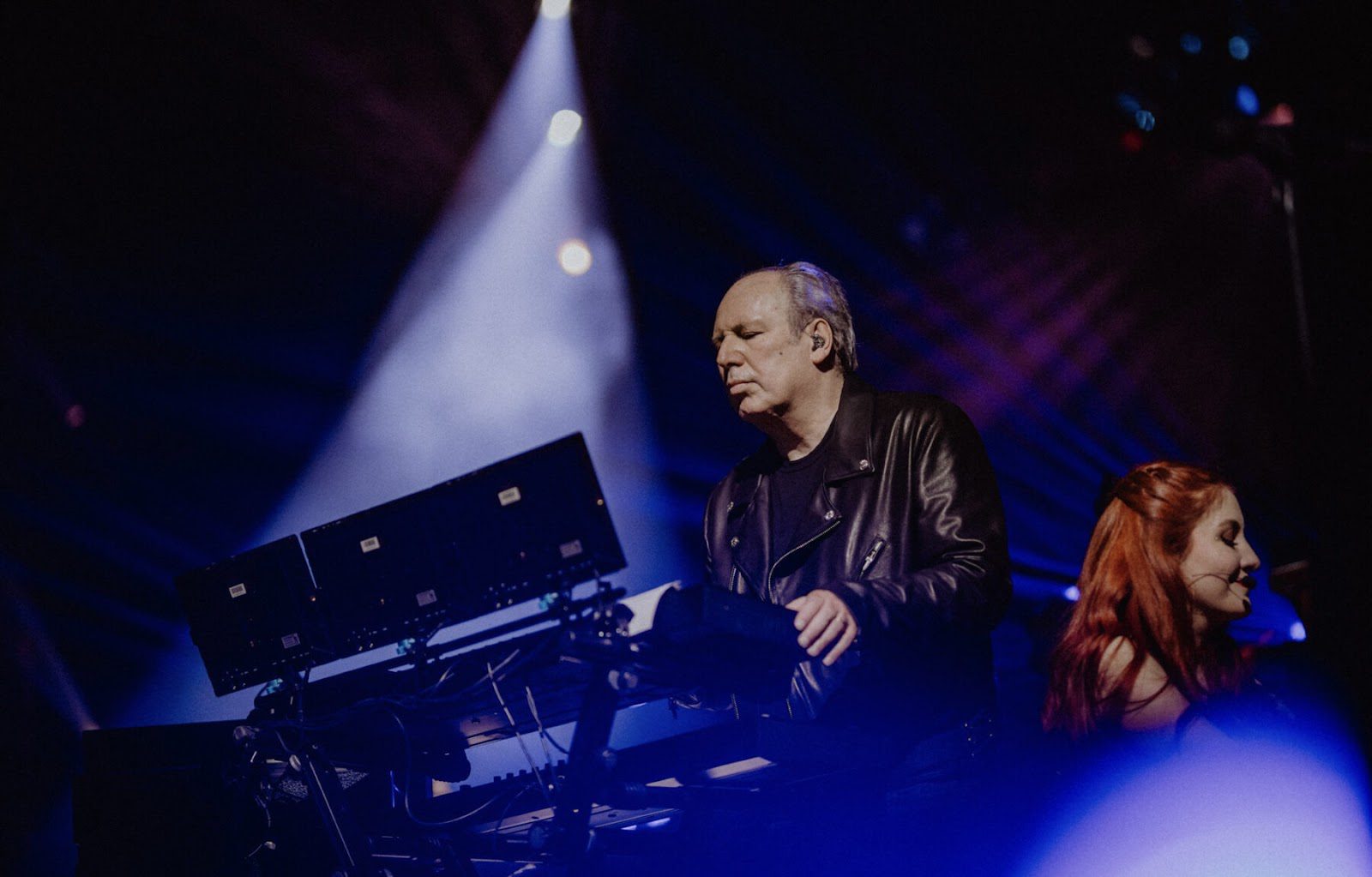
One of Hans’s early major works was the soundtrack for “Gladiator.” He didn’t immediately agree to the job, as he knew nothing about the history of gladiators. Still, he was captivated by the scope of the work. Zimmer felt the film was missing a female perspective. Director Ridley Scott agreed, allowing the composer to add a female voice to the main soundtrack.
One of the most famous horror films is “The Ring,” and Zimmer’s music adds to its terror. This marked the beginning of his work with director Gore Verbinski. It was Verbinski who invited Zimmer to work on the first “Pirates of the Caribbean.” At first, Hans didn’t believe a pirate movie could be good. But when the director showed him the finished picture, he changed his mind.
“Blade Runner 2049” marked the beginning of Zimmer’s collaboration with Denis Villeneuve. The director faced a difficult task: make the sequel look worthy next to the original, or even cooler. Villeneuve understood he had to compete not only with Ridley Scott, who directed the first film, but also with Vangelis—the author of its brilliant soundtrack. So, he entrusted the music to Hans Zimmer.
He also wrote the music for “The Da Vinci Code.” The film’s mystical, sinister atmosphere was enhanced by a soundtrack featuring chorals that worked less on the ears and more on the subconscious. Later, Hans Zimmer scored the adaptation of another Dan Brown book, “Angels & Demons.”
While working on Guy Ritchie’s “Sherlock Holmes,” the composer experimented. Instead of traditional brass and strings, he used a mix of violins, banjos, and a broken piano. This music was meant to symbolize the chaos inside Holmes’s head. In doing so, he created one of the most recognizable musical themes in modern cinema.
He is also known for the music to films and animated features such as “Rain Man,” “The Lion King,” “Spirit: Stallion of the Cimarron,” “The Rock,” “As Good as It Gets,” “Gladiator,” “Angels & Demons,” “Pearl Harbor,” “Inception,” “Interstellar,” and “Chappie,” as well as the “Pirates of the Caribbean,” “The Dark Knight,” and “Sherlock Holmes” film series, and the games “Call of Duty: Modern Warfare 2” and “Crysis 2.”
Collaboration with Nolan
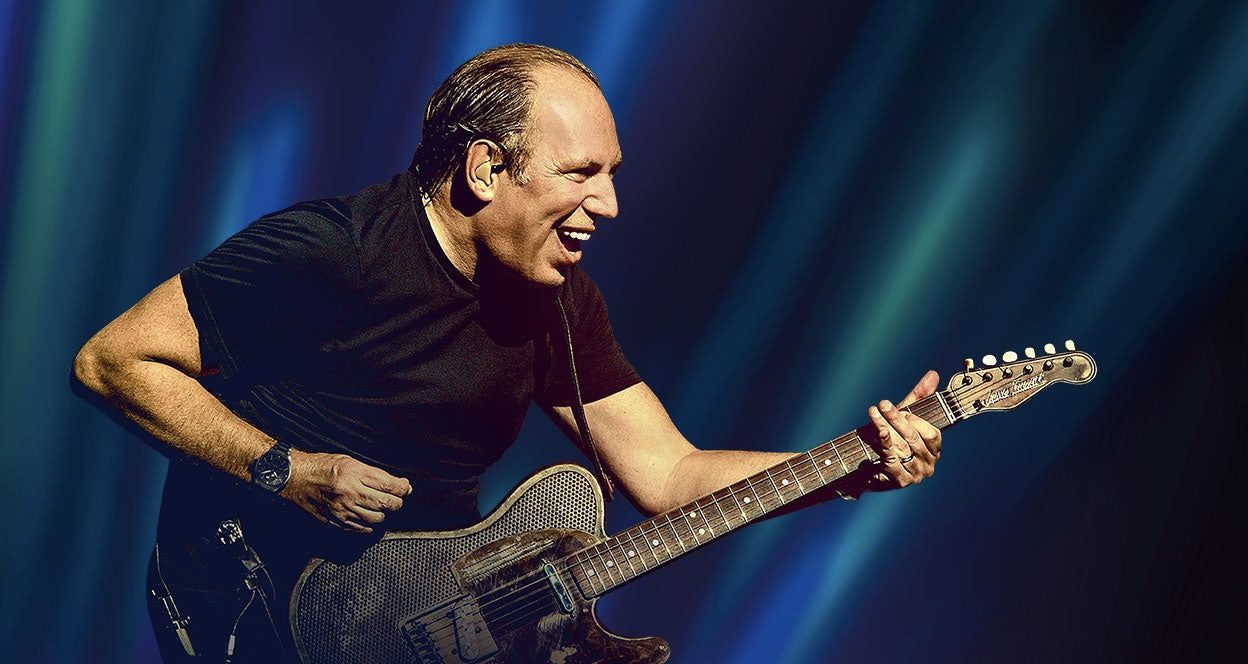
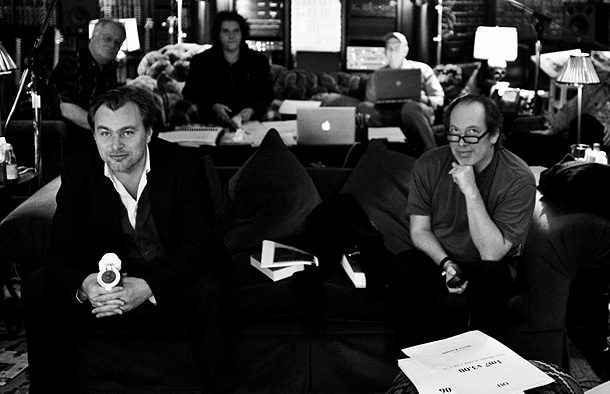
An iconic collaboration in Zimmer’s life is his work with director Christopher Nolan. They became true trendsetters and showed that image and sound are a single entity. Together, they managed to create many signature musical elements.
For example, in the trailer for “Inception,” Nolan wanted to hear a powerful, low-frequency sound, like a distant horn. Following this prompt, Zimmer created the “BRAAAM” technique that all composers use now. He weighed down a grand piano’s sustain pedal with a heavy book. For accompaniment, he asked a brass section to play as if it were the piano’s echo. All this for just 5 seconds of music.
Christopher Nolan uses neither email nor a cell phone. Therefore, Hans Zimmer would receive letters from him via regular mail. His requests were quite vague. Once, the director asked Zimmer to write a musical theme about a father-child relationship in a single day. There was no film title, no hint of a plot. It was Hans’s melody that inspired the plot of the future “Interstellar.” A single theme unites all of the director’s and composer’s joint works: time. In most of Nolan’s films, Zimmer pays special attention to rhythm and the sound of a ticking clock. This is especially interesting in “Dunkirk.” For the war film’s soundtrack, Nolan gave the composer his own pocket watch to record its ticking.
Music for Animation
Hans Zimmer is known as a master of cinematic music, but his contribution to the world of animation is no less significant. His soundtracks for animated films not only complement the visuals but also create an unforgettable atmosphere and give the stories depth and emotion.
Zimmer was always cautious about creating music for animation. One must empathize with the cartoon characters and feel the spirit of the animation. This is how his work on “The Lion King” began. Hans really wanted his daughter Zoe to be proud of him. She was already 6 years old and had never been to a premiere of a film with her dad’s music. The more Hans delved into the cartoon, the more the plot resonated with his personal experience—like Simba, Zimmer lost his father in childhood. That is why the composer himself calls the music in the cartoon a requiem dedicated to his father. This soundtrack brought Hans his first-ever Academy Award in 1994, as well as a Golden Globe and a Grammy. In this score, he combined orchestral music with African motifs, using a choir and ethnic African instruments to create the atmosphere of the savanna. Iconic compositions like “This Land” and “King of Pride Rock” became landmarks for generations.
The animated film “The Prince of Egypt” (1998) features powerful orchestral music. Hans Zimmer created a grandiose symphonic accompaniment that conveys the epic scale of the biblical story. Powerful choral parts give the soundtrack a spiritual sound. This work showed that animation could have a serious musical score, on par with big Hollywood dramas.
The “Madagascar” series from DreamWorks is known for its fun, dynamic soundtrack. Here, Hans Zimmer showed his versatility. This music is distinguished by a combination of jazz, Latin, and African rhythms. Fun, energetic melodies emphasize the film’s comedic mood. The soundtrack helps convey the dynamics of the adventures of Alex and his friends.
For the animated film “Kung Fu Panda,” in collaboration with composer John Powell, Zimmer created a unique musical world reflecting Chinese culture. He used traditional Chinese instruments and wrote epic battle themes that add scale to the cartoon. This work demonstrates how a soundtrack can complement a film’s style and culture.
Hans Zimmer’s music for animated films proves that animation is not just entertainment, but a true art form that deserves deep, professional musical accompaniment. His works have become classics, and their influence is noticeable in many modern animated projects.
Music Beyond Film
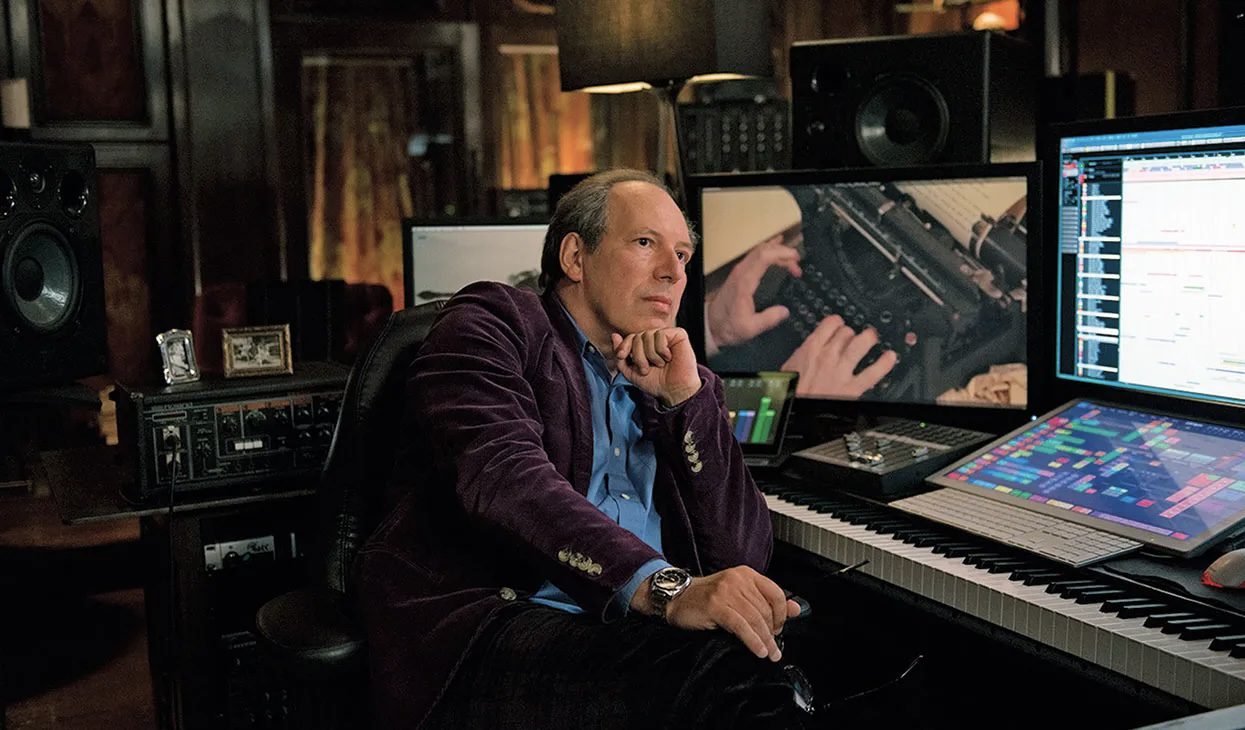
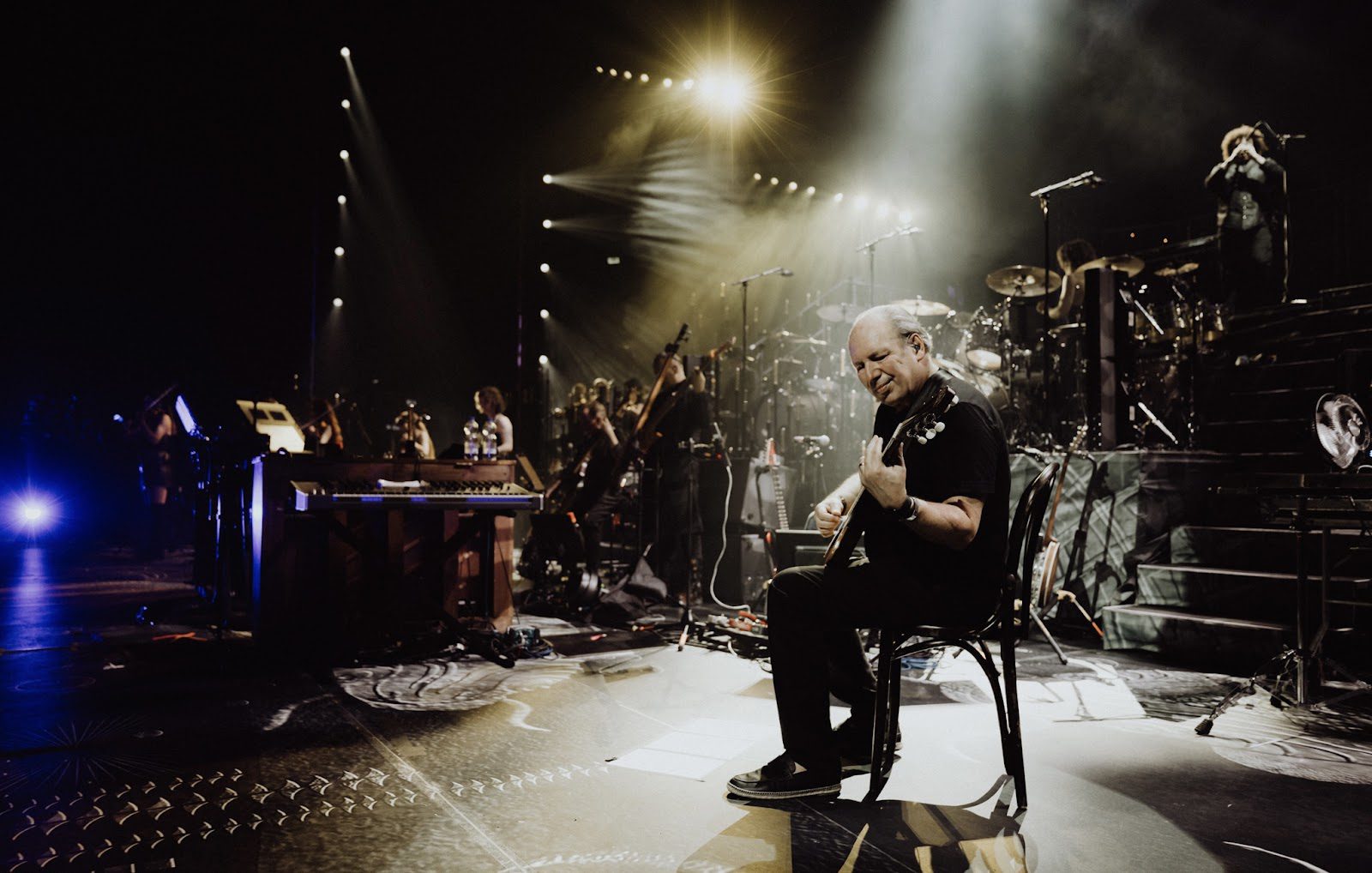
Although Hans Zimmer is primarily associated with cinema, his influence extends far beyond Hollywood. He has created music for video games (“Call of Duty: Modern Warfare 2,” “Crysis 2”). His music is heard at sporting events, in trailers, and even during political campaigns. He releases concert albums, and his live performances are true theatrical shows that draw thousands of fans.
Despite decades in film music, Zimmer continues to surprise. His tours sell out, and his new projects set high standards in cinematic music. His contribution to world cinema and music is hard to overstate—Hans Zimmer is not just a composer, but a person changing the sound of the future.
The Hans Zimmer Style
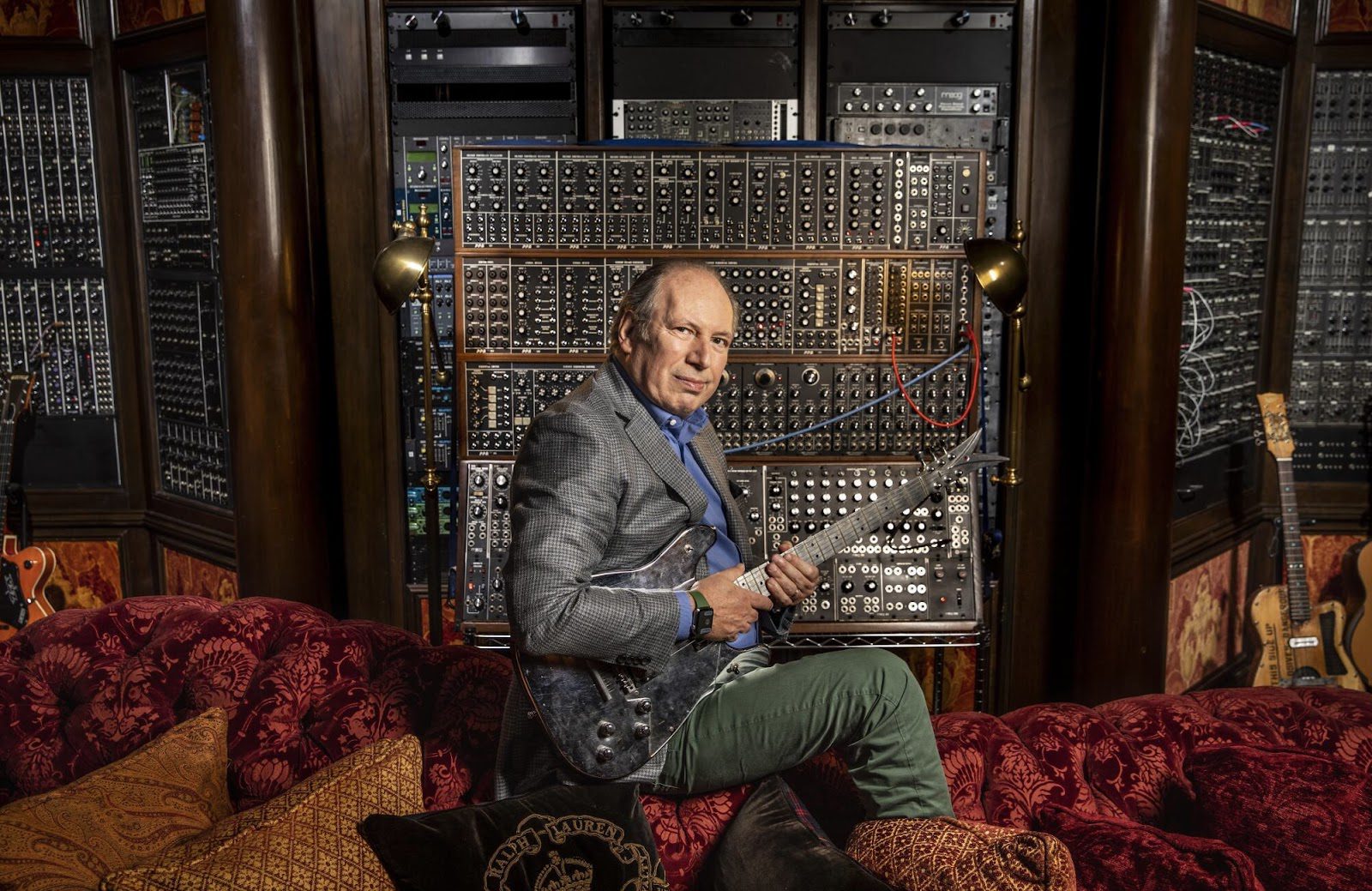
Hans Zimmer is not just a composer, but a true architect of sound who changes the perception of cinema. His melodies are easily recognizable, and each new soundtrack becomes an event in the music world. He is not afraid to experiment, combining classical instruments with the latest technology and unconventional sounds. Hans Zimmer Entry-level changed the musical approach in the film business. He showed that sound is no less important than what we see on screen. He emphasizes what is happening, allowing us to hear the thoughts and feelings of the characters. He believes he writes “program code,” not just music.
Hans Zimmer is known for his unique style: a fusion of symphonic music and electronics, as well as the use of simple, yet powerful, memorable melodies. The composer loves to work on innovative sound effects to further emphasize a film’s atmosphere (the “BRAAAM” in “Inception,” the organ in “Interstellar”). Renowned directors like Christopher Nolan, Ridley Scott, and Denis Villeneuve dream of working with him. Zimmer continues to work on new projects and tour the world with his concert shows. His influence on film music is hard to overstate—he has changed the very concept of the soundtrack and made it a fully-fledged emotional component of films.
Zimmer’s Secret to Success
Besides his unique style, Zimmer is known for his approach to collaborating with directors. He doesn’t just create music for films; he integrates himself into the production process. For example, for “Interstellar,” he wrote the main musical motif before he even knew the plot details, and for “Dune,” he developed an entirely new sound palette, using unusual instruments and even his own vocal choir.
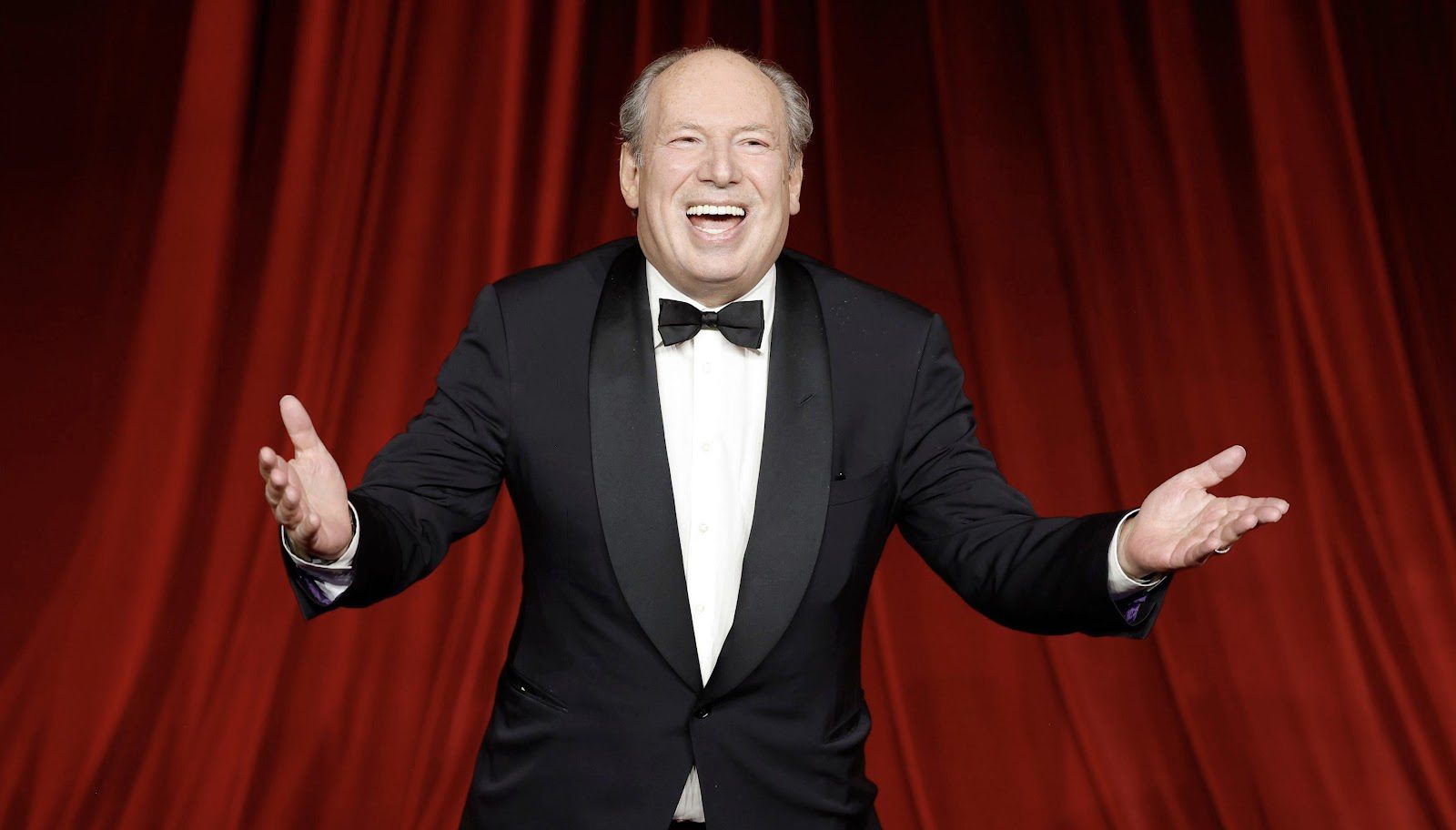
The Composer’s Awards
Over his long musical career, Hans Zimmer is an Academy Award winner, a three-time Golden Globe winner, a three-time Grammy winner, and a BAFTA winner.
In 1995, he won the Oscar for the music to the animated film “The Lion King.” In 2022, he received the same award for the music to the film “Dune.” He was also nominated for his work on “Rain Man” (1988), “Gladiator” (2000), “The Dark Knight” (2008), “Interstellar” (2014), “Dunkirk” (2017), and others.
He received the Golden Globe Award for “The Lion King,” as well as for “Gladiator” and “Dune.” In addition to his wins, he has been nominated 9 other times. Hans Zimmer received an award from the British Academy of Film and Television Arts (BAFTA) for his work on “Dunkirk.” He also holds several Grammy Awards for “The Lion King,” “The Dark Knight,” and “Across the Universe.” In 2010, he received a star on the Hollywood Walk of Fame. In 2022, he was awarded the Legion of Honour in France and a Critics Choice Movie Award for the soundtrack to “Dune.”
Hans Zimmer doesn’t just receive awards—he changes the film music industry, setting new standards. His unique style, combining orchestral sound with electronic elements, continues to inspire a new generation of composers.