


Frank Vincent Zappa remains one of the most enigmatic and influential figures in 20th-century music, bridging the gap between pop culture and the avant-garde. As a composer, virtuoso guitarist, producer, and biting satirist, he built a singular artistic universe where rock, jazz, and contemporary classical music collided with political defiance. His massive legacy includes over sixty albums and a conceptual framework he called “Project/Object”—a lifelong creative process where musical ideas, recurring characters, and themes constantly mirrored and referenced one another. Read more on los-angeles-trend.
Early Life and Formative Years
Born on December 21, 1940, in Baltimore, Maryland, Zappa was the son of Rose Marie and Francis Vincent Zappa. His heritage was a rich tapestry of Sicilian, Greek, Arab, and French roots. His childhood was defined by frequent moves as his father worked in the U.S. defense industry, including a stint at the Edgewood Arsenal chemical warfare facility. These early surroundings deeply colored his worldview; themes of chemistry, government control, paranoia, and bureaucratic absurdity would later permeate his lyrics. A sickly child, Zappa underwent radium treatments for respiratory issues, a practice that later fueled his lifelong skepticism regarding medical and institutional authority.
Zappa’s musical identity took shape entirely outside the confines of a traditional conservatory. As a teenager, he was equally obsessed with African-American R&B and the radical modernism of 20th-century European composers. A defining moment came when he discovered the works of Edgard Varèse and Anton Webern. To Zappa, all genres were valid forms of expression, a philosophy that became the bedrock of his eclectic style. He started as a drummer before switching to the electric guitar, eventually developing a unique improvisational technique he famously described as “air sculpture.” Even in high school, he was writing and conducting avant-garde pieces for the school orchestra, signaling his massive compositional ambitions.
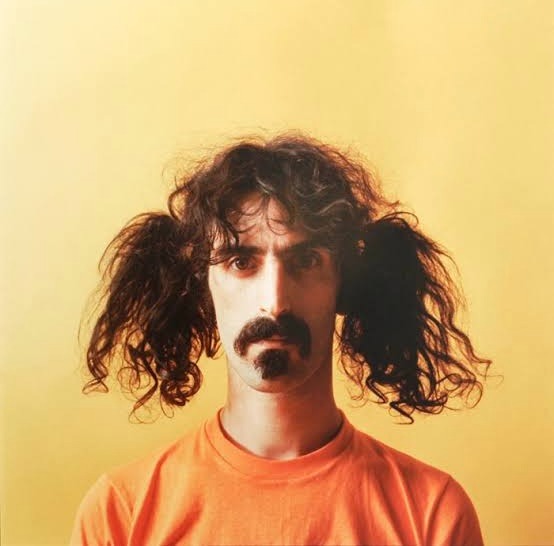
Cutting His Teeth in the Industry
In the early 1960s, Zappa took over Pal Recording Studio in California, rebranding it Studio Z. This became his laboratory for experimenting with multi-track recording, tape splicing, and unorthodox soundscapes. During this time, he cut his teeth scoring independent films and collaborating with local artists, honing the meticulous production style that would define his career.
A turning point occurred in 1965 when he was arrested on a trumped-up “conspiracy to commit pornography” charge involving a staged audio recording. His brief time behind bars hardened his anti-authoritarian stance and ignited a lifelong crusade against censorship and government overreach.
The Mothers of Invention Era
In 1965, Zappa took the helm of a band called the Mothers, later renamed the Mothers of Invention. Their 1966 debut, Freak Out!, was a revolutionary milestone—one of the first double rock albums in history. It was a jarring mix of satire, social commentary, R&B, and experimental sound collages.
Zappa exerted total control over every facet of the creative process, from complex arrangements to final edits. Landmark albums like Absolutely Free and We’re Only in It for the Money solidified his reputation as a radical innovator who took equal pleasure in lampooning conservative society and the 1960s counterculture.
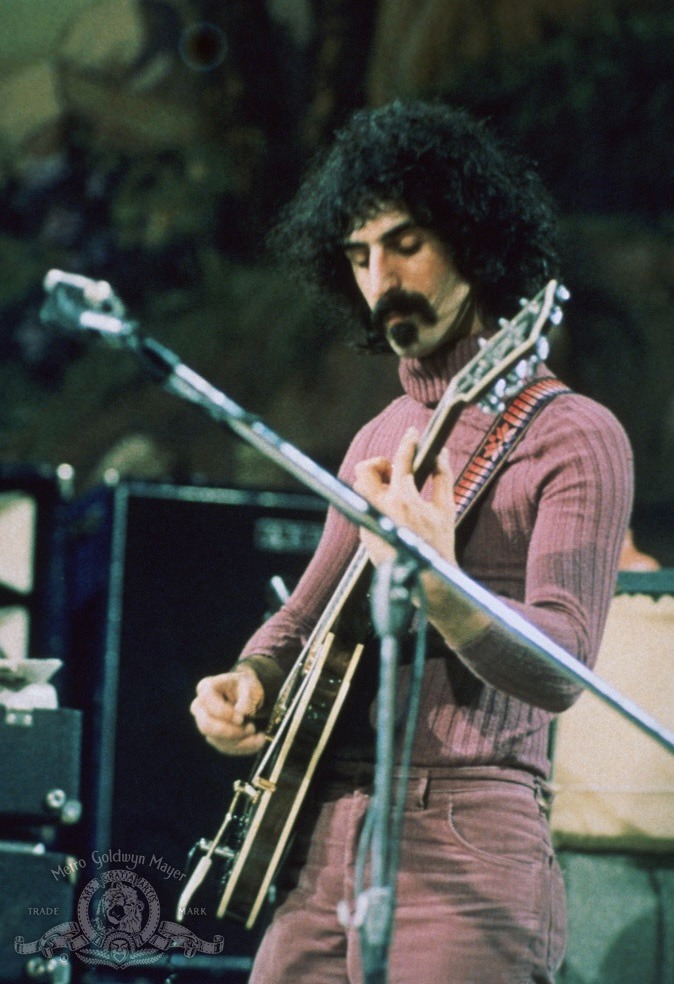
Going Solo and Mastering the Modernist Edge
Following the dissolution of the original Mothers of Invention, Zappa turned his focus toward his solo work. His 1969 album Hot Rats became a foundational text for jazz-rock fusion, showcasing intricate rhythmic structures and extended guitar solos. It signaled a new chapter in his musical language.
Throughout the 1970s, Zappa masterfully blended rock ensembles with full orchestras, collaborating with world-class conductors like Zubin Mehta while simultaneously producing satirical rock operas and sprawling concept albums.
His most commercial success came with 1979’s Sheik Yerbouti, while the rock opera Joe’s Garage cemented his status as a fierce critic of cultural and political repression. A staunch advocate for free speech and self-education, Zappa remained a vocal opponent of drug abuse, demanding sober precision from his musicians.
In the 80s and 90s, Zappa dove deeper into symphonic music. He founded his own studios and labels, remaining a public intellectual who skewered religious fanaticism and mass-market banality. In 1983, he worked with the London Symphony Orchestra, conducted by Kent Nagano, to record his dauntingly complex orchestral pieces. The resulting albums, The London Symphony Orchestra, Vol. I & II, finally realized his vision of modern classical music outside the rock context. These recordings were a testament to his compositional prowess, proving he was not just a rock star, but a legitimate modernist composer of the highest order.
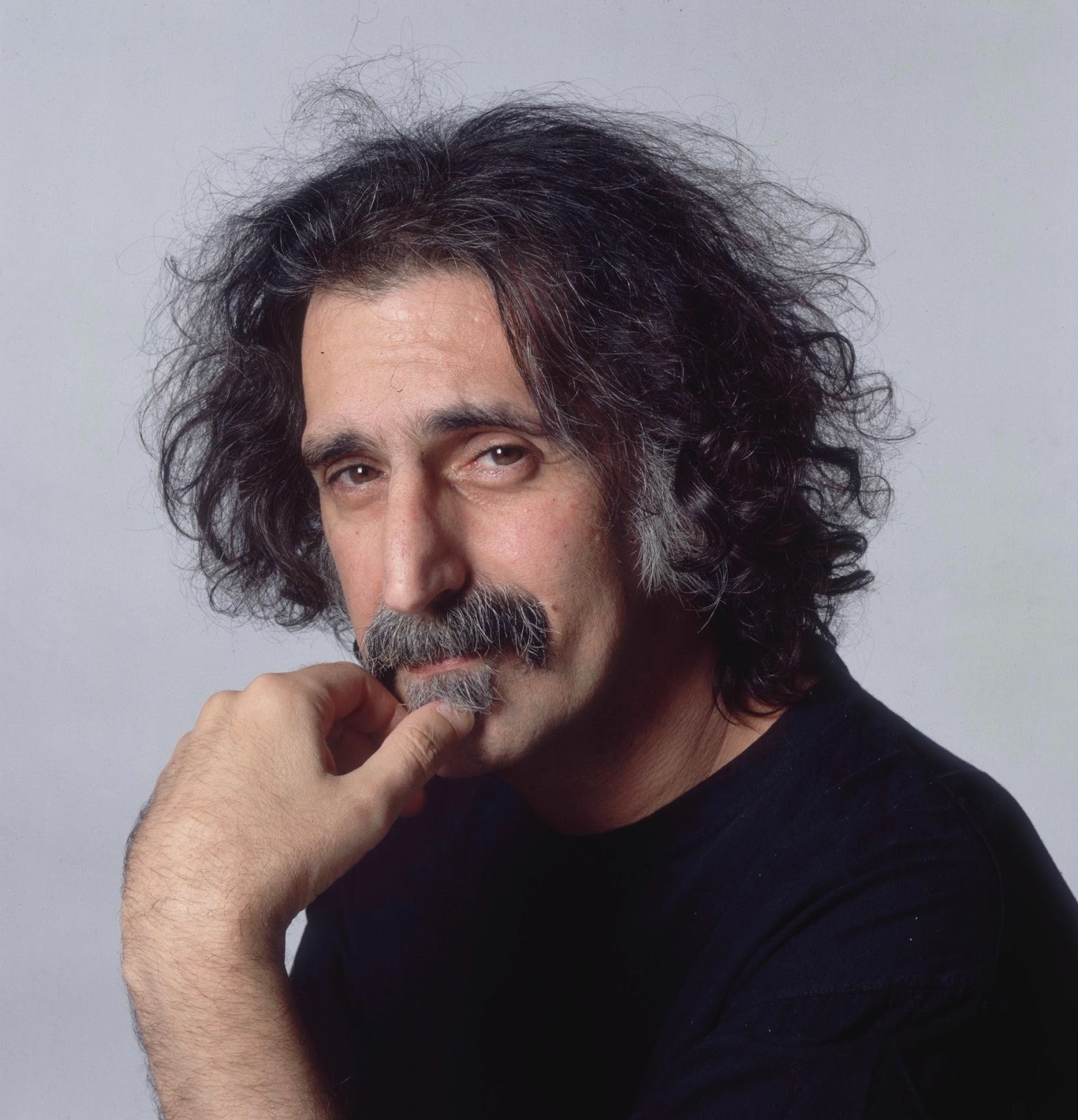
Frank Zappa passed away on December 4, 1993. He was posthumously inducted into the Rock and Roll Hall of Fame in 1995 and received the Grammy Lifetime Achievement Award in 1997. Zappa was more than a musician; he was a cultural phenomenon. His work serves as a reminder that music can be intellectually demanding, provocatively social, and uncompromisingly complex. He left behind a legacy that remains vital in any discussion regarding artistic freedom and the responsibility of the artist to society.