


The younger generation’s focus on music in the 1960s was driven by their desire to embrace the new musical culture’s rhythms and melodies and feel liberated. Los Angeles became one of the American capitals for the growth of rock music, where significant musical and cultural events occurred that influenced the music scene of the next ten years. Numerous fresh rock bands formed in Los Angeles in the 1960s, revolutionizing the process of making music. With the introduction of psychedelic and folk rock components, bands like The Doors, The Byrds, The Beach Boys, Buffalo Springfield, Love and others started to develop a new kind of rock music. Read more at los-angeles-trend.com.
HOW LOS ANGELES IN THE 1960S INFLUENCED THE DEVELOPMENT OF ROCK MUSIC
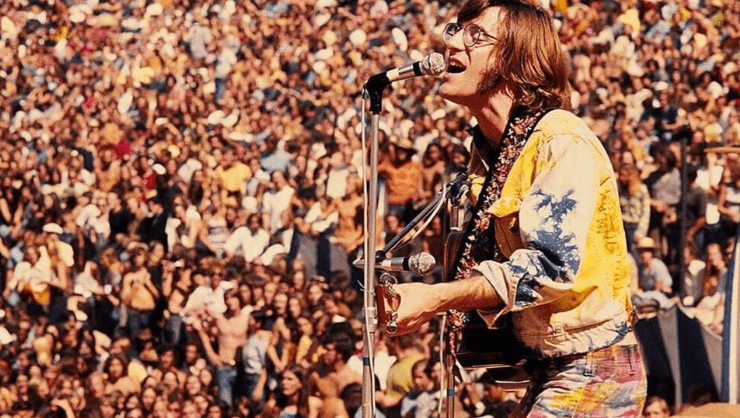
Important cultural shifts took place in Los Angeles in the 1960s, which helped rock music become more popular and altered the music business as a whole. Rock bands started forming in Los Angeles around this time, and they were well-known for their distinctive sounds and lyrics that captured the mood of the era. The majority of them had an impact on the growth of psychedelic rock, which came to define this time. Los Angeles also had a large concentration of recording studios and production businesses, which aided in the growth of the music business in this area. Because of their work with rock bands, producers and sound engineers gained notoriety and helped advance the fields of sound design and music production.
THE MOST FAMOUS MUSIC LABEL ELEKTRA RECORDS IN LOS ANGELES IN THE 1960S
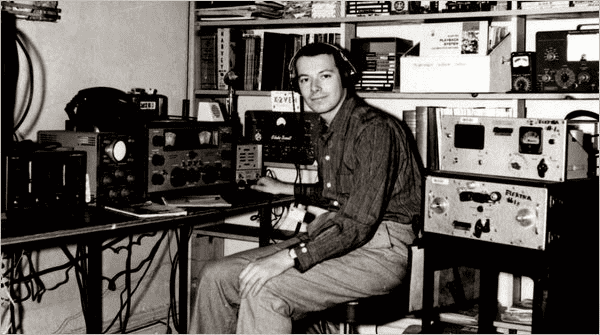
The founding of the Elektra Records label was one of the most significant events of the 1960s. This was the first step in developing a brand-new kind of rock music that blended several genres and components.
One of the most well-known record labels of the 1960s, Elektra Records, specialized in rock music and other alternative music genres. Jack Gold established the label in New York in the 1950s, and it later relocated to Los Angeles.
Elektra Records signed renowned artists, including The Doors, Love, The Stooges, MC5 and Tim Buckley, in the 1960s. Additionally, they collaborated with vocalists like Philip Glass and Judy Collins. In the 1960s, Elektra Records rose to prominence as one of the most significant labels for psychedelic and garage rock music.
Elektra Records also released movie soundtracks, including the famous Easy Rider soundtrack, which included songs from The Byrds, Jimi Hendrix and Steppenwolf. The label also released records from legendary musicians such as John Lee Hooker and Eric Clapton. Elektra Records was able to develop into one of the most prominent record labels in the world of rock music in the 1960s and influence the sound of many well-known bands at the time as a result of all these events.
THE MOST FAMOUS MUSIC FESTIVALS AND ROCK CONCERTS THAT TOOK PLACE IN LOS ANGELES IN THE 1960S
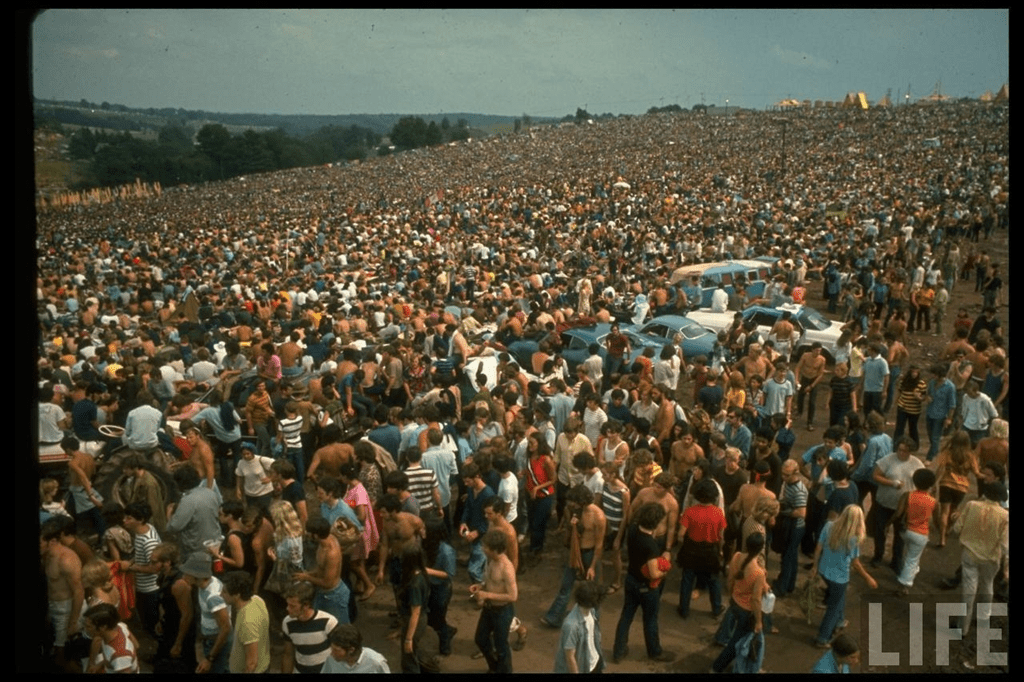
The Doors, Jimi Hendrix, The Who, Janis Joplin and other well-known rock bands performed at several music festivals and concerts held in Los Angeles during that era. The following occurrences most significantly influenced the growth of rock music in Los Angeles in the 1960s:
- The May Festival took place from April 29 to May 1, 1966, in Los Angeles. The festival featured such bands as The Doors, The Byrds, Love and Buffalo Springfield
- Monterey Pop Festival took place from June 16 to 18, 1967, in Monterey, California, near Los Angeles. The festival featured performances by such celebrities as Jimi Hendrix, The Who, Janis Joplin, Otis Redding and many others
- The Los Angeles Pop Festival was held from December 22 to 23, 1968, at the Olympic Park stadium in Los Angeles. The festival featured performances by such famous bands as The Doors, Iron Butterfly, Jefferson Airplane, Spirit and many others
- The Beatles at Dodger Stadium took place on August 28, 1966, in Los Angeles. This concert was one of the last concerts of The Beatles, which gathered well over 45 thousand spectators.
Los Angeles rose to prominence as the nation’s musical center in the 1960s, drawing the best musicians together to forge a brand-new kind of rock music that captured the mood of the era.